.svg)





Beyond the Great Wall, the Terracotta Armyand Shanghai’s skyline, China offers experiences shaped by remote landscapes,living craft traditions and seasonal rituals that rarely appear on first-timeitineraries.
China’s scale makes the idea of anundiscovered destination almost meaningless. A place can be well known withinits own province, receive thousands of domestic visitors and still remainalmost absent from English-language travel planning.
The most rewarding discoveries are oftenexperiences rather than sights: a railway that moves at the pace of thecountryside, a craft practised through more than one hundred manual stages or afestival that exists for a single night each year. These ten are unusual enoughto reshape a journey, but established enough to arrange with careful planning.
Ride Jianshui’s Century-Old Railway
In southern Yunnan, the Jianshui narrow-gauge sightseeing traintravels slowly from the old city into farmland and historic villages. Restoredcarriages follow part of a railway developed during the early twentiethcentury, stopping near the Seventeen-Arch Bridge and Tuanshan’s traditionalhouses. It feels less like transport than a moving museum, and worksparticularly well as part of a longer stay in Jianshui.
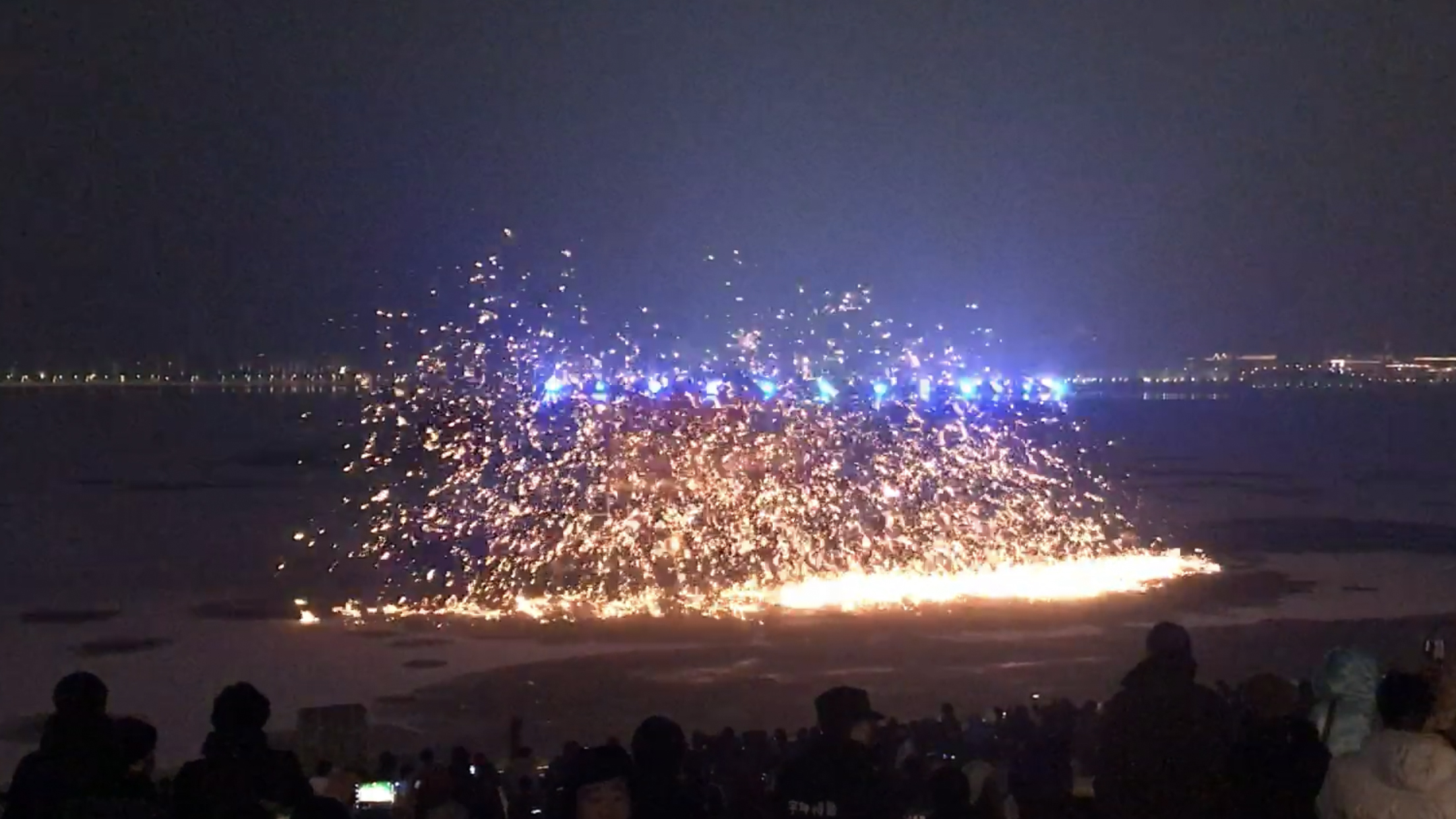
Watch Molten Iron Become Fireworks in Hebei
Dashuhua, or “striking iron flowers”,replaces conventional fireworks with molten iron thrown against a cold wall,creating a vast canopy of sparks. The centuries-old performance is associatedwith Yuxian County and Nuanquan Ancient Town in Hebei. ChinaDaily’s account of Dashuhua explains how the tradition developedamong local blacksmiths. Performances are seasonal, so dates should beconfirmed before travelling.
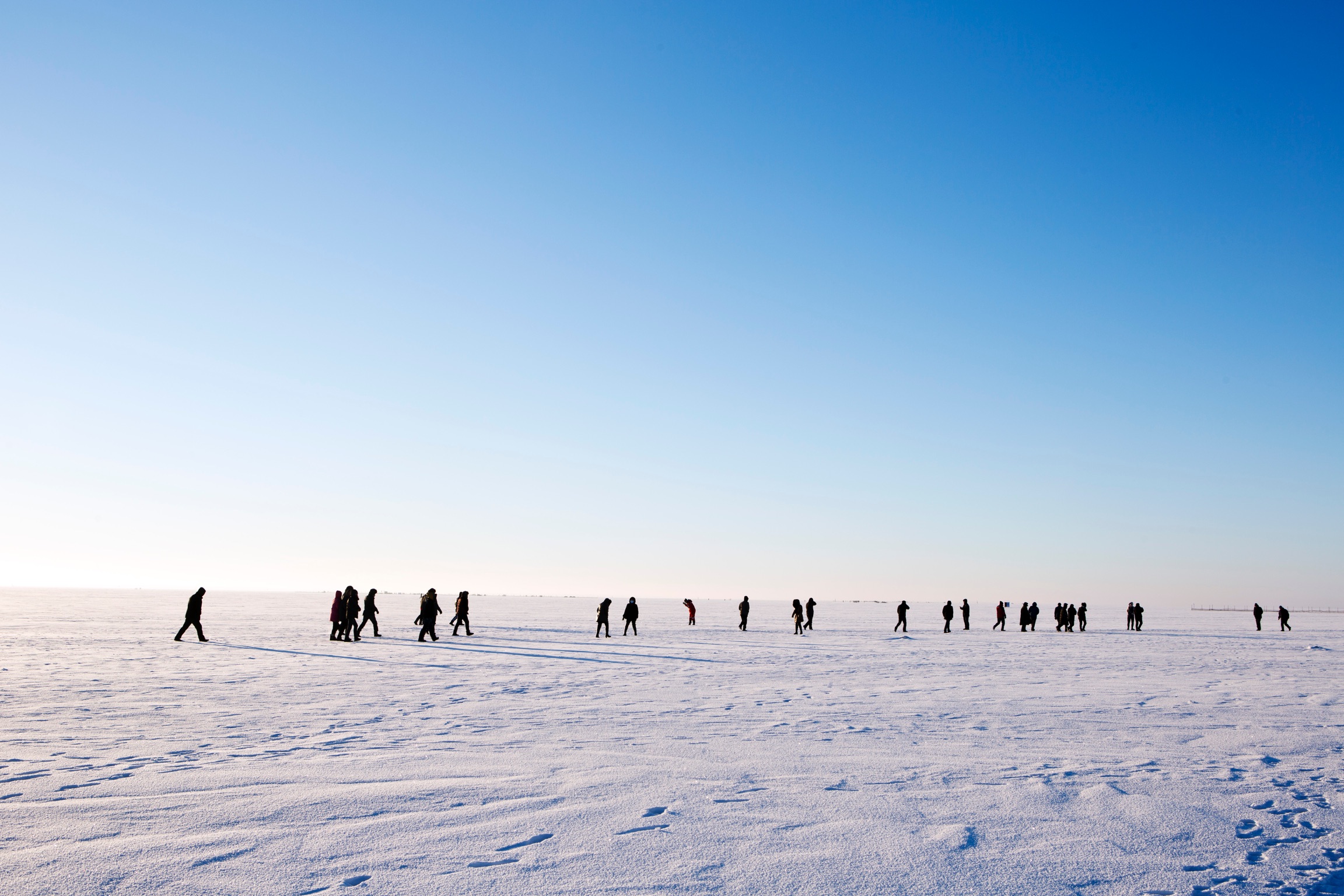
See a Frozen Lake Harvested by Horses
At Chagan Lake in Jilin, fishing teams cutthrough thick ice, guide enormous nets beneath the frozen surface and usehorses and wooden winches to draw the catch onto the lake. The winter fishing season usually centres on lateDecember and January. The opening ceremony is the most theatrical moment, butquieter fishing days reveal more of the technique and its relationship with thelake.
Visit China’s Reindeer-Herding Community
Deep in the Greater Khingan forests ofInner Mongolia, Aoluguya is associated with the Ewenki reindeer-herdingcommunity. Visitors can learn about forest life, visit the cultural museum andsee semi-domesticated reindeer in a landscape that feels closer to Siberia thanthe China of familiar itineraries. Tourism now supports local employment,according to People’s Daily, but locally led visits andrespectful wildlife interaction matter.
.jpg)
Make Xuan Paper in Anhui
In Jing County, Anhui, workshops allowvisitors to try parts of the process used to produce Xuan paper, the materialprized for Chinese calligraphy and ink painting. UNESCO records that the complete craftinvolves more than one hundred stages and can take over two years. A shortworkshop cannot reproduce that mastery, but it makes the labour behind aseemingly simple sheet of paper immediately visible.
.jpg)
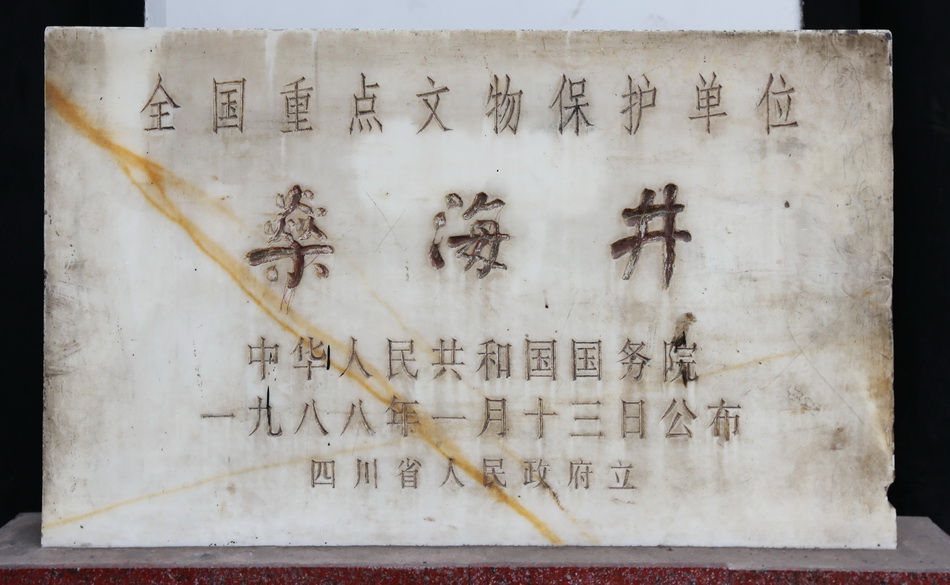
Explore a Working Salt Well in Sichuan
Zigong’s Shenhai Well is a preservednineteenth-century salt-production site and the first hand-drilled well toexceed one thousand metres. The Zigong UNESCO Global Geopark describes it asone of the best-preserved Qing-era well-salt sites. Visitors can see thetowering wooden derrick and understand how brine and natural gas were broughtfrom deep underground long before modern drilling equipment.
Step Into a Village Below the Horizon
Near Sanmenxia in Henan, Shanzhou’sdikengyuan courtyards are excavated downwards into the Loess Plateau. From adistance, orchards and fields appear almost uninterrupted; only afterapproaching does the settlement open beneath ground level. The houses remaincool in summer and warm in winter. Visiting the preserved courtyards offers arare encounter with architecture designed almost entirely through subtraction.
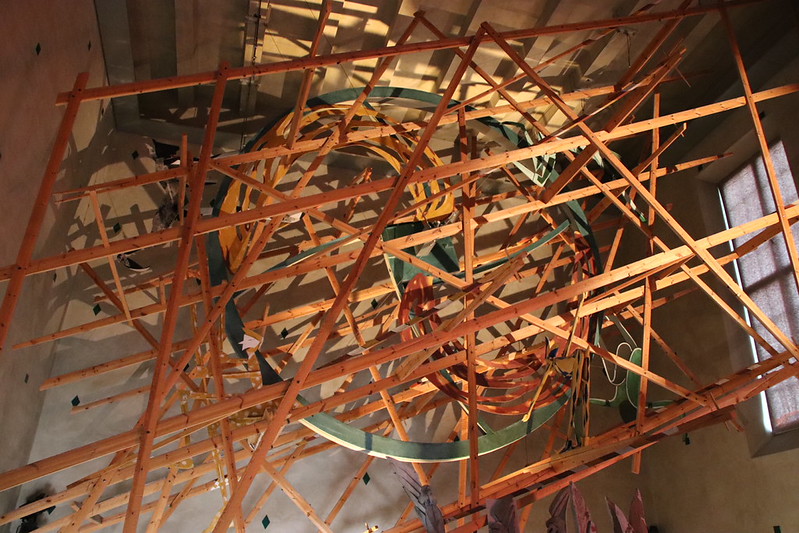
Cross Desert Dunes Between Hidden Lakes
The Badain Jaran Desert in Inner Mongoliacontains immense stationary dunes separated by spring-fed lakes. UNESCOdescribes the landscape as an exceptional concentration of mega-dunes,inter-dunal lakes and singing sands. Reaching its interior normallyrequires a local four-wheel-drive driver, and overnight journeys may include asimple guesthouse or yurt near one of the lakes. It is not a destination forimprovised self-driving.
.png)
Climb Through Grottoes Inside a Cliff
Mati Temple near Zhangye, Gansu, is anetwork of Buddhist grottoes cut into red sandstone cliffs beneath the QilianMountains. The most unusual part is not viewing the facade but moving throughnarrow internal passages and steep stairways connecting chambers above thevalley. The Zhangye tourism authority notes that the maincomplex rises through seven levels. Some sections are unsuitable for limitedmobility or severe vertigo.
%20(1).jpg)
Stand Beneath Puzhai’s Fire Dragon
During the Lantern Festival, Puzhai inGuangdong stages a fire dragon dance in which performers move long bamboodragons through showers of sparks and fireworks. The tradition was added toChina’s national intangible cultural heritage list in 2008 and is performedannually, according to EyeShenzhen’s cultural guide. It isspectacular, crowded and tied to the lunar calendar, making advance localconfirmation essential.
.jpg)
Planning a Journey Around Unusual China
These experiences are distributed across acountry of continental scale. Combining more than two or three in one trip canturn an unusual journey into a sequence of airports and long transfers. Aregional approach is more rewarding, reflecting the principles in The Art of Slow Travel: stay longer, use localguides where English information is limited and allow seasonal dates to shapethe itinerary.
Before booking, check the latest UKgovernment travel advice for China, confirm festival and attractionschedules directly, and avoid building a journey around a single unverifiedperformance. For the long-haul journey itself, our guide to travelling first class to Asia without paying full fareprovides a useful starting point for premium flight planning.

.jpg)



.svg)