.svg)




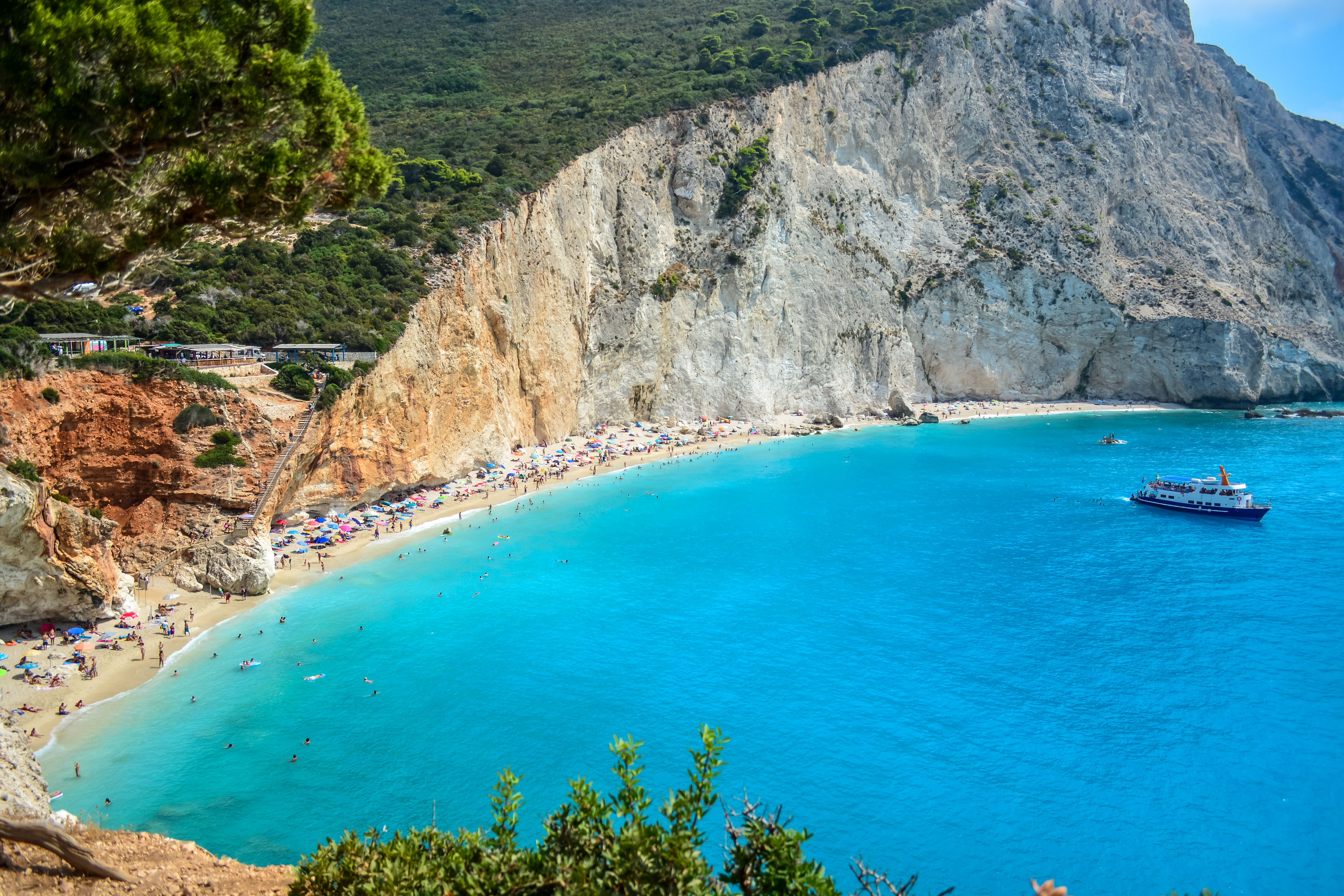



As the summer holidays end, a Mediterranean island break takes on a different character. Beaches become less crowded, sightseeing feels less hurried, and there is more room to enjoy a destination beyond its busiest attractions.
For UK travellers with flexibility over their dates, autumn can offer an appealing balance of warmth, culture and relaxation. However, September, October and November bring different experiences. Choosing the right island—and knowing what remains open—is key to making the most of a later escape.
Choose Your Month Carefully
September is a good starting point for travellers hoping to combine beach time with exploring. There is still plenty of summer atmosphere, while the return to school helps ease demand in many holiday resorts.
As autumn progresses, it makes sense to build a trip around more than sunshine. Leave room for museums, village visits and long lunches alongside coastal walks and swimming.
Conditions vary across the Mediterranean, so avoid treating the whole region as one climate zone. In Malta, for example, temperatures generally ease through autumn while rainfall increases during October and November, as outlined in this guide to Malta’s weather. Warm days remain possible, but uninterrupted beach weather is never guaranteed.
Pack light layers, comfortable shoes and a waterproof jacket alongside your swimwear. A flexible itinerary will serve you better than a schedule that depends on perfect conditions.
Naxos: Beaches, Villages and Local Flavours
Naxos suits travellers who want a Greek island holiday with variety. Beach afternoons can sit alongside village visits, gentle exploration and meals built around local produce.
The island’s appeal extends well beyond its coastline. The Greek National Tourism Organisation’s guide to Naxos highlights its Venetian architecture, traditional villages and agricultural landscape, as well as beaches including Agios Prokopios and Plaka.
Spend time wandering the lanes of Naxos Town, then head inland to Halki or Apeiranthos for a different perspective. Local cheeses, potatoes and wines offer another way to get to know the island without rushing between attractions.
September is a sensible choice if beaches are a priority. For later visits, check transport connections and accommodation opening dates before committing, particularly if you plan to combine Naxos with smaller islands.
Allow around a week to enjoy both coast and countryside without turning the holiday into a checklist.
Menorca: Coastal Paths and Unhurried Days
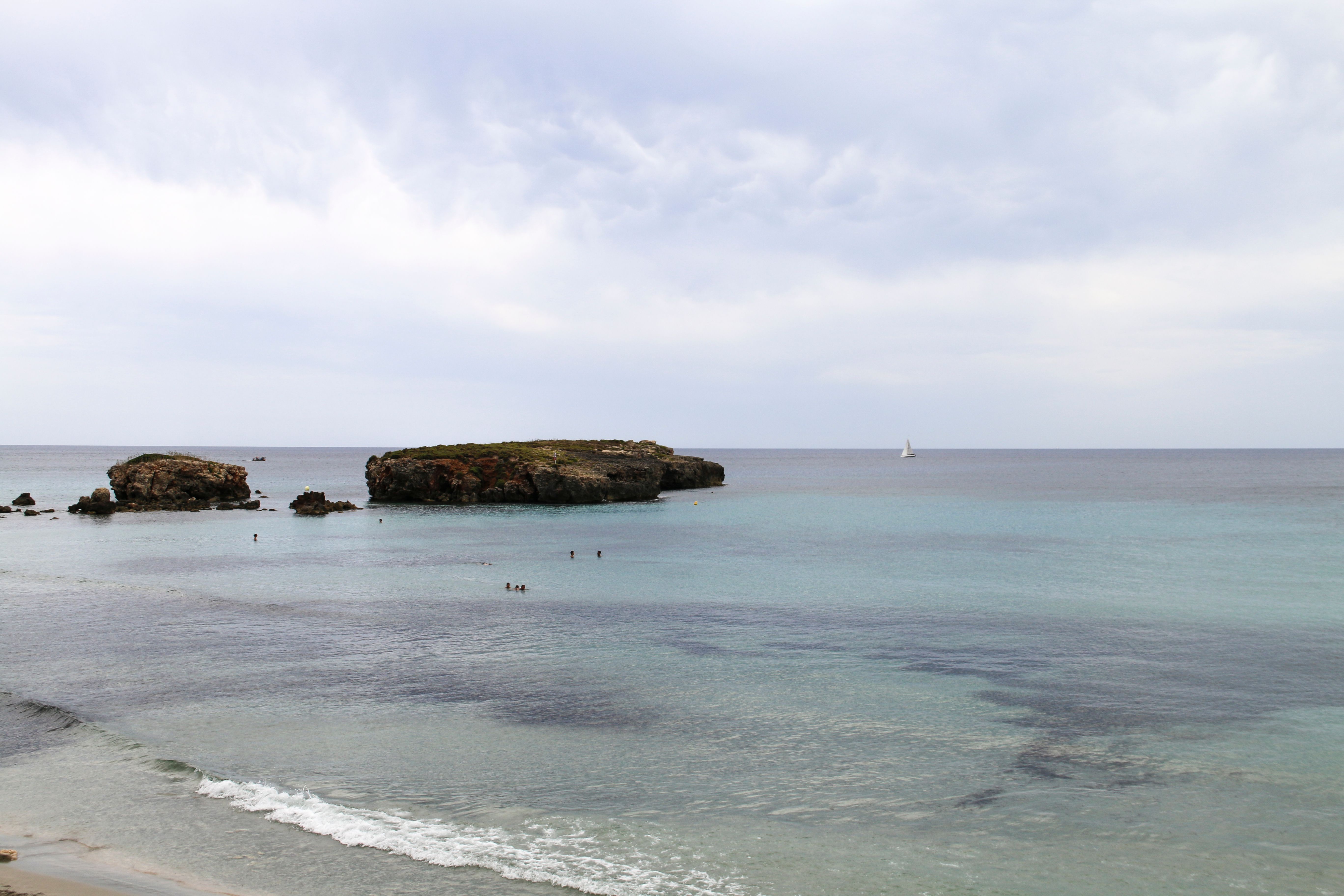
Menorca is an appealing option for a holiday built around walking, coves and time outdoors. Its UNESCO Biosphere Reserve designation reflects a varied landscape of wetlands, dunes, rural farmland and coastline.
The island’s Camí de Cavalls offers a way to explore that scenery in manageable sections. Rather than attempting the full circuit, choose walks that suit your fitness and leave time to stop along the way. The Camí de Cavalls route guide outlines the trail’s stages and their differing lengths.
Coastal walking still needs some planning. Check the forecast, carry water and arrange your return journey before setting off. Menorca can experience strong winds, particularly along its northern coast.
For a balanced stay, alternate outdoor days with time in Mahón or Ciutadella. Five to seven nights gives you space to enjoy the island without needing to move accommodation repeatedly.
Gozo: History and a Slower Pace
Gozo is worth considering if your ideal escape mixes historic sights with leisurely afternoons. Staying for several nights gives you more time to explore than a tightly scheduled day trip.
Build your visit around Victoria’s Citadel, the coastline and the prehistoric temples at Ġgantija. Heritage Malta provides information on the archaeological park and other heritage attractions, making it a useful starting point when planning sightseeing.
Keep some days loosely organised: a morning exploring, lunch in a village, then time by the sea if conditions suit. If diving is part of your plans, check with a local operator about suitable sites and conditions for your dates.
Four to seven nights works well for an unhurried visit. Remember to factor the onward transfer from Malta into your arrival and departure plans.

Look Beyond the Headline Price
Travelling after the summer rush can create opportunities for better value, but lower prices are not automatic. Compare the full cost of flights, luggage, transfers and accommodation, particularly around UK autumn half-term dates.
A cheaper room may be less convenient if nearby restaurants have closed or you need taxis for every outing. Before booking, confirm which hotel facilities will operate and whether local transport suits your plans.
Choosing one well-connected base can also make the holiday easier to manage. As our guide to the art of slow travel explores, staying longer gives you time to settle into a place.
For an autumn island escape, that might mean returning to a favourite café, discovering a different walking route or leaving an afternoon completely free.

.jpg)



.svg)