.svg)





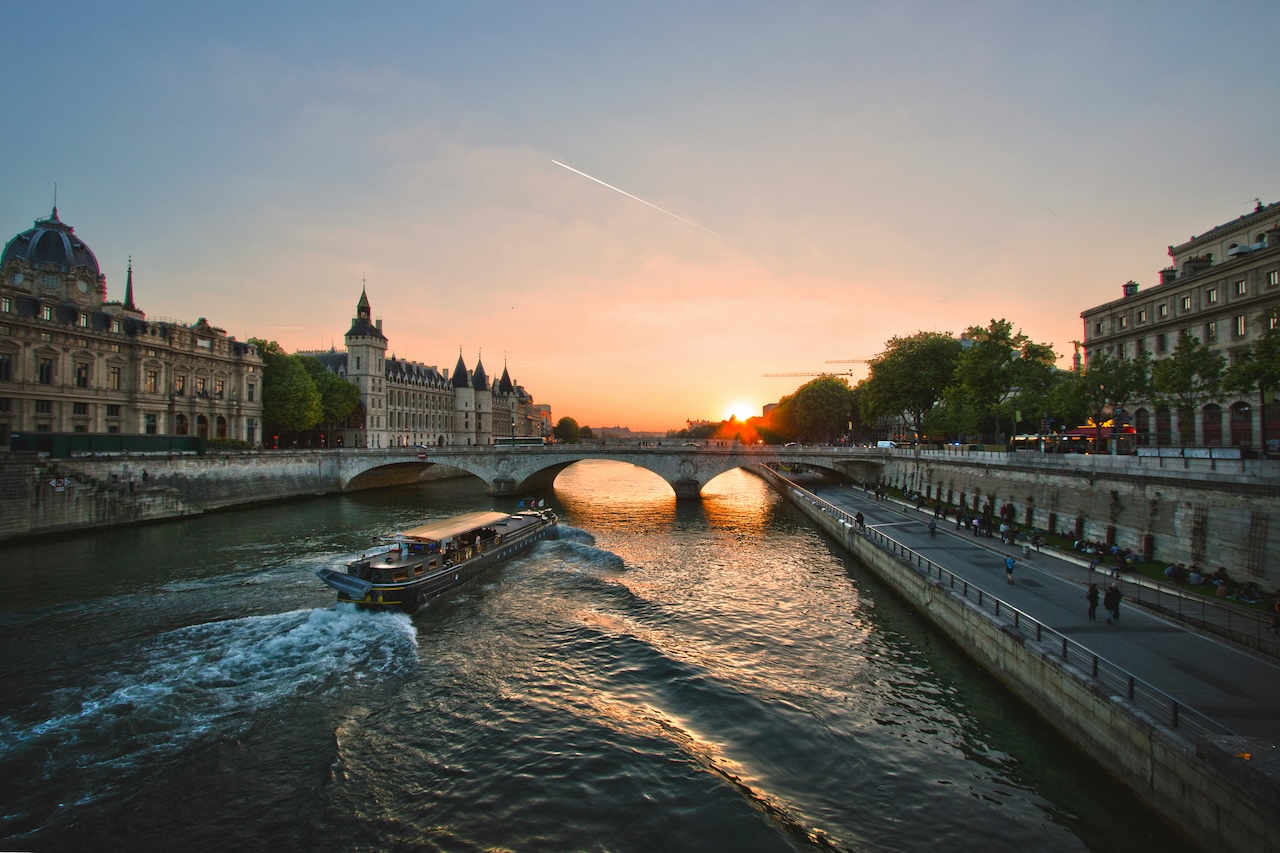
There is a particular pleasure in arriving at a city by water. You approach it from the angle that its builders intended — the view that medieval merchants, aristocratic travellers and nineteenth-century tourists all shared. The town reveals itself gradually: the cathedral spire first, then the bridge, then the quay with its stone embankment and moored vessels. You step off a small ship onto cobbles, walk directly into the old town, spend a morning at your own pace and return to your floating hotel for lunch. In the afternoon, the ship moves on.
This, in essence, is European river cruising — and it is why the format has attracted a generation of travellers who find that ocean cruising, for all its scale and spectacle, can feel like a journey that passes destinations rather than penetrating them. River cruising goes the other way: smaller, slower, more culturally intimate and consistently rewarding for those who travel with genuine curiosity. The appeal is structural, not merely aesthetic, and it holds up across multiple sailings in ways that encourage return.
Why River Cruising Suits the Discerning Traveller
The fundamental difference between river cruising and ocean cruising is scale, and scale changes everything. Ocean ships carry thousands of passengers. European river vessels typically carry between one hundred and two hundred, on ships designed specifically to fit within the dimensions of river locks and canal channels — a constraint that is, paradoxically, the format's greatest asset.
With fewer passengers, everything becomes more manageable. Shore excursions are smaller groups, easier to move through cities and sites, and more likely to be led by guides working with groups small enough to permit genuine interaction rather than megaphone commentary. The ratio of crew to guest is significantly higher than on ocean vessels, which translates directly into service quality. The onboard experience — dining, the observation deck, the bar in the evening — is shared between a community small enough that you recognise fellow guests by the second day and remember their names by the third. There is a conviviality to river cruising that the scale of ocean travel actively works against.
The positioning of river ships is also, for most itineraries, central in ways that ocean itineraries are not. You dock in the heart of the city — within walking distance of the old town, the cathedral, the market square — not at a commercial port thirty minutes by coach from anything worth seeing. The Rhine's medieval Rhineland towns, the Danube's imperial capitals, the Douro's wine estates with their direct access to the vineyards above the river: all are accessible on foot or with a brief transfer from the embarkation point. The morning routine on a river cruise is simply to step off the gangway and begin.
The Rhine, Danube and Douro Compared
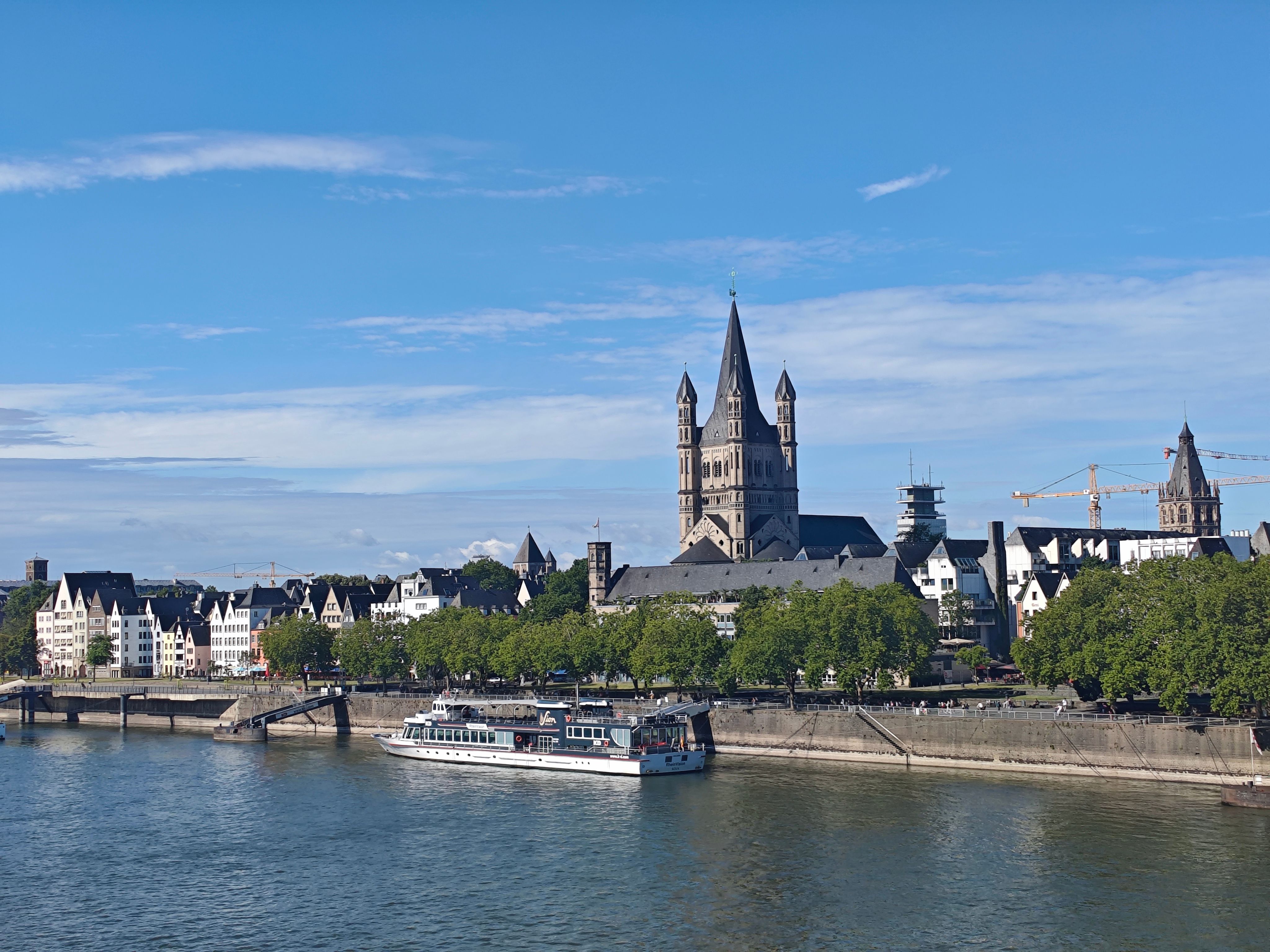
The Rhine is the most accessible introduction to European river cruising for UK travellers, and remains the most popular sailing for good reasons. A standard itinerary — typically departing Amsterdam and ending in Basel, or sailing in the reverse direction — covers the Rhine Gorge (a UNESCO World Heritage Site of cliff-perched castles and steep vineyard terraces that is most dramatic seen from the water at speed), Cologne, Strasbourg and Rüdesheim with its famous Drosselgasse. The cultural offer at each port is substantial, the onshore infrastructure for visitors is excellent, and the scenery combines the bucolic and the dramatic in proportions that photograph particularly well and experience even better. The Rhine is also the most logistically straightforward choice for first-time river cruisers, with the widest selection of departure dates, ship grades and price points.
The Danube is the more ambitious choice and the more historically layered. A full sailing from Passau to Budapest — or extended south and east to the Black Sea delta for longer itineraries — covers Linz, Vienna, Bratislava and Budapest. Each is a significant European capital in its own right, and the combination of German, Austrian, Slovak and Hungarian culture across a single ten-to-fourteen-day itinerary is genuinely remarkable. The Danube approach to Vienna — past the vineyards of the Wachau and into the city's western suburbs — is one of the finest arrivals in river cruising. The Christmas market departures in November and December have become especially popular with UK travellers, combining the river format with some of Europe's most celebrated seasonal cultural events.
The Douro in northern Portugal is the most visually distinctive of the three primary options, and increasingly cited by experienced river cruisers as their favourite. The river cuts through the terraced vine country of the Douro Valley, a UNESCO World Heritage Site shaped by centuries of port wine production. The terraces climb steeply from the waterline, the quintas (wine estates) dotting the slopes, and the river itself narrows in places to a dramatic gorge. Cruises typically run between Porto and the Spanish border town of Barca d'Alva, with shore excursions into the wine estates of the valley, particularly around Pinhão. Porto as an embarkation port — one of Europe's most rewarding and least self-conscious cities — adds genuine value at either end of the journey, and most passengers extend their stay there by at least two days.
How to Choose the Right River Cruise Line
The river cruise market has matured considerably over the past two decades, and there is now a meaningful and genuine spectrum from the premium operators at the top to the more value-focused lines below. The differences between tiers affect the onboard experience significantly, and the investment in understanding those differences before booking is well made.
What to assess when comparing river cruise lines: the age and specification of the fleet (newer ships have panoramic observation decks, better cabin insulation and more contemporary design); the degree to which drinks, gratuities and shore excursions are included in the headline price (the all-inclusive model removes the drip of supplementary spend that can make a budget headline fare misleading); the quality of the onboard food and whether the kitchen team is producing dishes that reflect the regions being sailed through; and the quality of the shore guides — some lines work with contracted local historians and subject-matter experts who genuinely enrich each port, while others use standard group tour formats. Scenic Cruises and equivalently positioned operators in the premium tier provide a clear benchmark. CLIA UK's river cruise guide offers independent comparative information across the sector and is a useful starting point for researching the full range of options.
Practical Advice on Timing, Packing and Ports
Timing: Spring (April to June) and early autumn (September to October) are the most consistently rewarding seasons. Summer temperatures in the Rhine Gorge and the Danube basin can be high, and some stretches of river experience water level variations in particularly dry summers that occasionally affect itineraries. Christmas market sailings in November and December are a category in their own right — atmospheric, sell early and often include the region's most celebrated seasonal events within the port programme.
Packing: River cruising requires considerably less luggage than ocean passengers typically expect. Cabin storage is well-designed but compact, reflecting the ship's proportional constraints. Smart-casual dress for evenings is the near-universal norm across the fleet; walking shoes that can handle cobbled streets, a genuinely useful waterproof and a compact daypack constitute the practical shore-day essentials. Bring layers — the temperature differential between the heated ship and an autumn morning on the quay can be significant.
Ports: The celebrated stops — Vienna, Budapest, Cologne, Porto — are self-explanatory. The less-famous ones provide the most memorable experiences: a small German wine town where the ship's captain arranges a private cellar tasting; an Austrian village accessible only to river passengers; a Douro quinta where the harvest is still underway when the ship moors alongside. These moments are the reason river cruisers return, and they are what distinguishes the format from any other travel experience available at a comparable price.




.svg)