.svg)




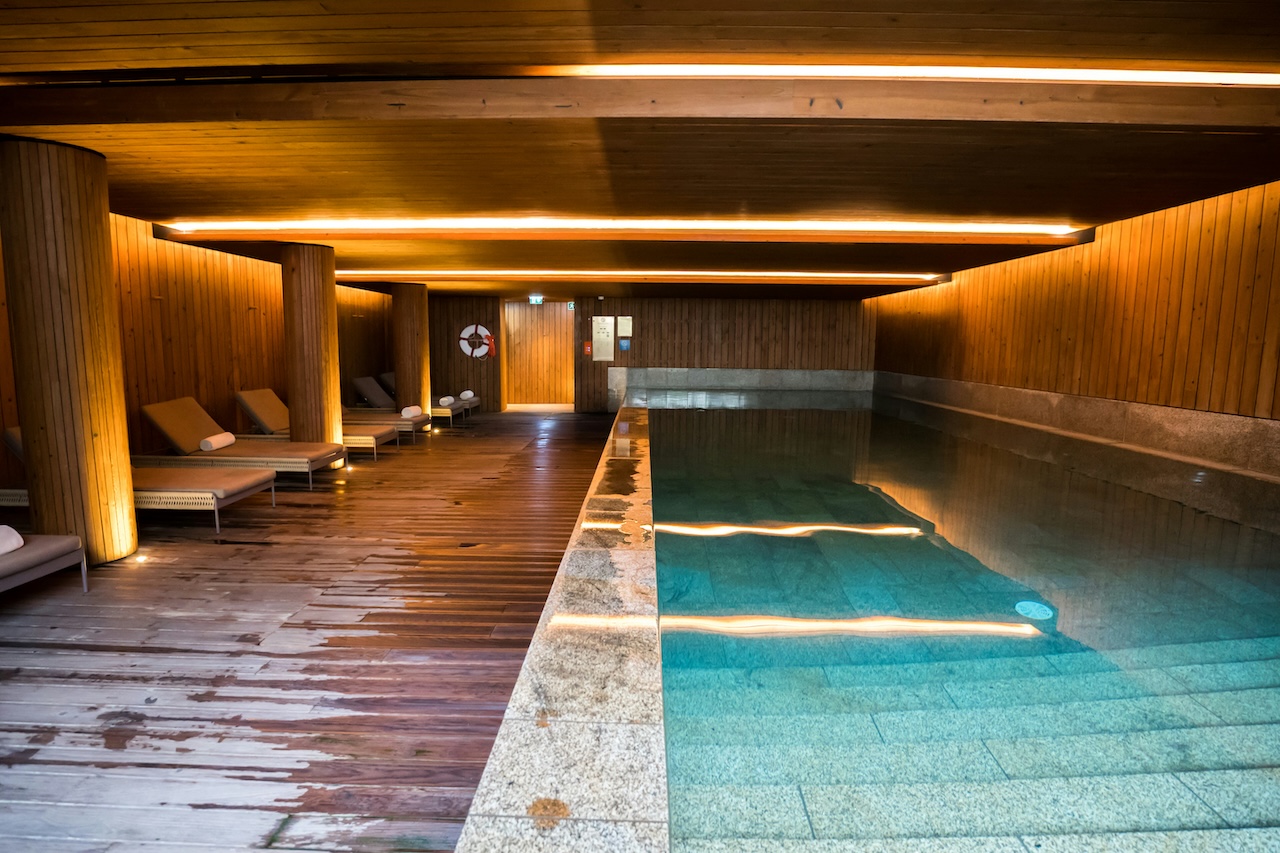



The hotel spa has become a near-universal amenity. Four-star properties offer it; airport hotels have versions of it; even some mid-market chains have incorporated the vocabulary, if not the substance, of genuine wellness into their offering. The result of this proliferation is that the word "spa" has been diluted to the point where it can mean almost anything from a plunge pool and a steam room to one of the most considered destination experiences in contemporary travel.
The properties that genuinely deserve the designation — where a spa experience is a reason to book in itself, not a supplementary amenity — share a set of distinguishing characteristics. Understanding those characteristics is the most useful guide to finding and booking an experience that lives up to its reputation, and to avoiding the disappointment of a beautiful-looking facility that, in practice, delivers little beyond warm water and a treatment menu assembled from an industry catalogue.
What Separates a Great Spa from a Great Hotel Spa
A standalone destination spa is a contained proposition: the whole property is organised around wellness, food, programming and environment. A great hotel spa has to achieve something more complex — it must function as an exceptional standalone experience while also integrating with a wider property that guests are primarily using for accommodation, food and travel.
The best hotel spas succeed at both dimensions. They have a physical footprint sufficient to feel immersive — not a single corridor of treatment rooms, but a sequence of spaces that draws guests through a considered journey: arrival, changing, thermal progression, treatment, rest. The programme is developed with genuine expertise, not assembled from a generic wellness catalogue. The treatment menu draws on the location's cultural or therapeutic traditions, uses products developed with care and specificity, and is delivered by therapists who have been trained to a standard that the property considers a genuine point of professional pride rather than a staffing overhead.
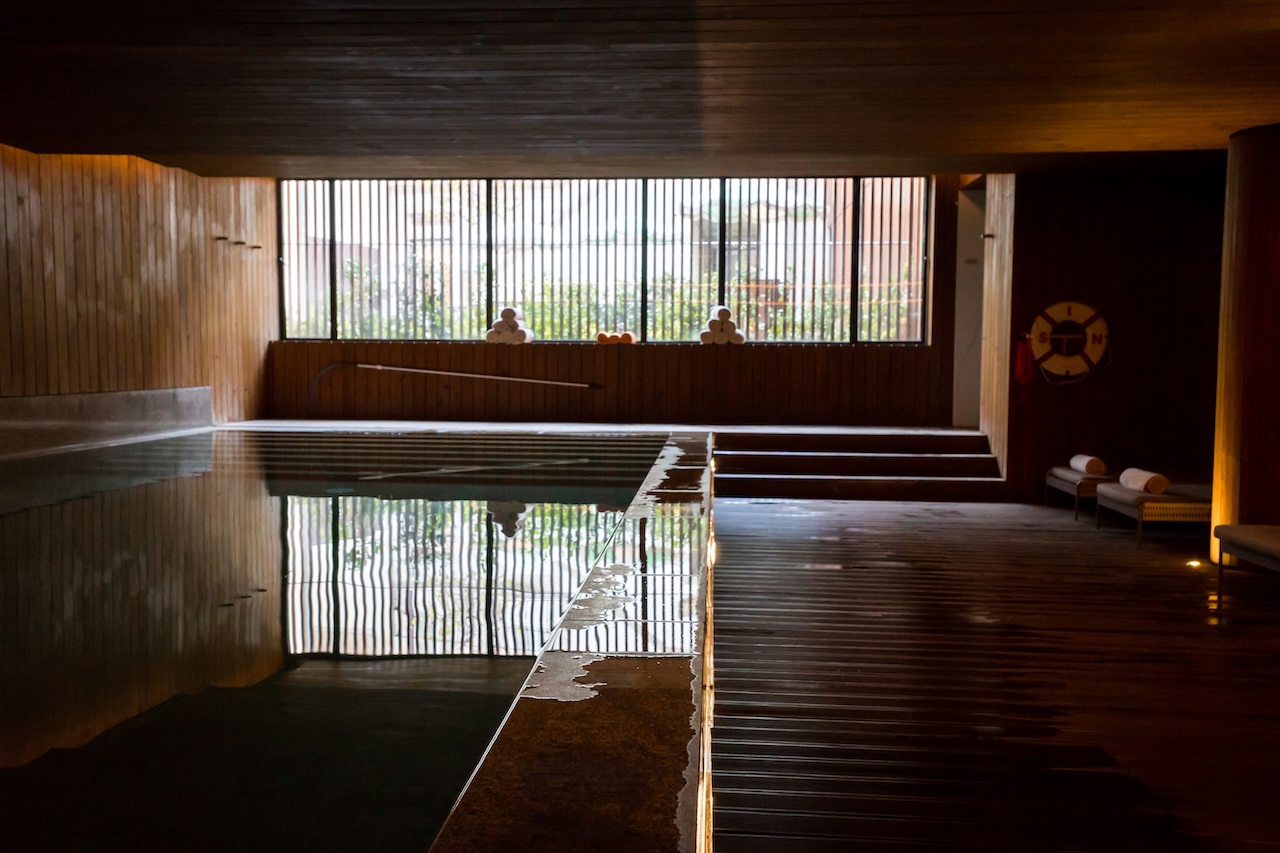
There is also an architectural dimension that separates the merely good from the exceptional. Light, water, natural materials and a considered connection to the landscape are not decorative choices in the finest spas; they are functional ingredients in the quality of the experience. A spa that uses natural stone, large windows overlooking water or mountain scenery, a carefully managed thermal circuit that builds gradually in temperature, and treatments that reflect and complement the surrounding environment delivers something qualitatively different from a well-equipped basement facility in an urban five-star. The physical setting changes the nervous system's response to the experience in ways that are immediate and measurable. The best spa architects and operators understand this and design accordingly.
The Architecture and Setting That Elevates the Experience
The finest hotel spas in the world have in common a sense of deliberate place. They are not bolted on to a property; they are conceived as part of it, or in some cases as the property's defining feature — the reason the hotel was built where it was, rather than an amenity added to justify a room rate.
A thermal spa in the Austrian Alps that draws on natural spring water, uses local Zirbenholz pine in the sauna structures, and organises its relaxation spaces around an unobstructed mountain view is delivering an experience that is specific, rooted and impossible to replicate in another context. The combination of the altitude, the clean cold air available from the terrace, the quality of the water itself and the cultural ritual of the Alpine sauna tradition creates an experience that a copied facility in a different country simply cannot achieve.
A spa in Bali that incorporates traditional Jamu herbal preparations, rituals rooted in the local healing culture and therapists trained in practices that predate the hotel by generations offers access to something with genuine cultural depth. Similarly, a Moroccan riad with a proper hammam — real kessa exfoliation, authentic black soap, argan oil sourced from women's cooperatives in the Souss valley — is delivering a cultural experience as much as a wellness one, and that specificity is precisely what makes it memorable.
The most celebrated hotel spas globally — in properties across Thailand, Switzerland, the Maldives, Iceland and Morocco — have invested in both the physical environment and the experiential programming to an extent that goes well beyond minimum viable spa provision. The thermal bathhouse culture of Iceland's geothermal pools, the bamboo and volcanic stone aesthetic of Balinese spa architecture, the outdoor soaking pools of the Japanese onsen tradition that some international hotels have incorporated — all are expressions of place that make the experience inseparable from the geography.
ESPA, as one of the benchmark operators in hotel spa programme design and product development, sets a standard against which many properties measure their own offering. The Leading Hotels of the World spa collection provides a well-curated portfolio of properties where the spa is genuinely central to the guest proposition, selected through a process that assesses facility standards, programme quality and service delivery.
Six Properties With World-Class Spa Facilities
Thailand's destination resort spas have established a global standard for the integration of traditional healing practices with contemporary luxury delivery. Thai massage, herbal compress treatments, traditional Ayurvedic-influenced detoxification programmes and specifically developed botanical product lines are delivered at a standard that reflects decades of accumulated expertise rather than a hastily assembled menu. Several properties in Koh Samui and the Golden Triangle have spa programmes that function as the primary reason guests visit.
Swiss mountain spa properties combine architectural excellence with a thermal culture rooted in centuries of Alpine practice. The combination of altitude, clean mountain air, natural spring water, high-quality local materials and impeccable Swiss standards of facility maintenance and service delivery produces a spa environment that is genuinely difficult to replicate elsewhere.
Moroccan riads with dedicated spa facilities — particularly in Marrakech's medina and in the Atlas foothills — offer traditional hammam experiences in settings of extraordinary architectural beauty. The best are properly equipped, traditionally operated facilities where the hammam circuit is managed with the same care as a fine-dining kitchen: sequence, timing, product quality and practitioner expertise all matter.
Maldivian overwater spa pavilions bring the Indian Ocean directly into the treatment experience — the sound of the water beneath the boards, the light through the glass floor panels, and the temperature of the air all contribute to a sensory environment that the location makes exceptional.
How to Plan a Spa-Focused Stay
Booking a spa-centred stay requires more advance planning than booking standard hotel accommodation. Treatment slots at the most sought-after facilities — particularly for multi-hour signature programmes, specialist therapists or couple's rituals — are reserved well ahead, often at the time of room booking. Properties that take their spa provision seriously will typically prompt guests to pre-book treatments during the reservation process; taking that opportunity, rather than waiting until arrival, is strongly recommended and will materially affect the quality of the experience.
Assess the thermal circuit as a distinct proposition from the treatment menu. The best hotel spas have designed a thermal journey — progression from cool to warm environments, from steam to sauna to cold plunge, culminating in extended rest — that is intended to be experienced independently of any booked treatment. A property where the thermal circuit alone justifies the spa day access charge, and where it is managed with enough space and quiet to allow genuine relaxation, is delivering real value.
Look, too, at the ratio of spa space to overall guest capacity. A substantial spa facility in a fifty-room property will always feel more generous, more carefully managed and more genuinely spa-like than the same facility serving two hundred rooms. This ratio is among the most reliable predictors of the experience you will actually have, and it is worth checking before booking.
The world's finest hotel spas are, at their best, among the most consistently rewarding experiences luxury travel offers. They require neither justification nor self-consciousness to enjoy — only the prior knowledge of what to look for and, above all, the time to book well.



.svg)