.svg)





There is a category of destination that sits beyond the mainstream travel conversation — not necessarily remote or difficult to reach, but places that require a deliberate decision to visit rather than simply following the path of least resistance. These are the destinations that experienced travellers return from citing as among the finest of their travelling lives, and yet they rarely appear at the top of algorithmic search results or on the cover of the broadsheet travel supplements.
The twelve destinations below have been chosen for a combination of qualities: a distinctiveness of landscape or culture that sets them apart from more widely visited alternatives; the ability to reward a considered rather than a rushed visit; and a track record of producing the kind of travel experience that stays with a person long after the photographs have been archived. They span several continents and a range of travel styles, from cultural immersion to geological drama. What they share is depth.
The Case for Moving Beyond the Familiar
The familiar destinations of international travel earn their popularity honestly. Rome, Paris, New York, Tokyo — these are places of extraordinary depth and consistent reward, and a serious traveller returns to them multiple times across a travelling lifetime. The case for moving beyond them is not that they are overrated but that they absorb so much of the average traveller's planning attention that an enormous landscape of equally remarkable places goes largely unvisited.
Consider what it means to dedicate a significant holiday to a destination you have never seen and know relatively little about. The anticipatory research is more engaged. The arrival is more charged. The cultural encounters are more novel. And the experience of returning with something to say — having been somewhere that most people in your social circle have not encountered — carries a distinctiveness that the two-hundredth visitor to Venice this season cannot claim. Serious travel, in this sense, is not about difficulty or deprivation. It is about intentionality: the choice to direct energy, resources and planning effort toward places that will expand the frame of reference rather than merely confirm it.
Twelve Destinations With Something Distinctive to Offer
Georgia (the country) has emerged as one of the most compelling destinations in the world for culturally engaged travellers. The cave city of Vardzia — cut directly from the volcanic hillside of the Mtkvari valley — is among the most remarkable man-made sites in Europe. A wine culture that is the world's oldest, with qvevri clay vessels used for fermentation dating back eight thousand years, gives the food scene a depth and specificity that no wine region in France or Italy can match for antiquity. The Caucasus mountain landscape rivals the Alps for drama and remains a fraction of the price for comparable terrain. The hospitality culture is genuinely pressing.
Oman is the Arabian Peninsula's most culturally and geographically rewarding country for independent travel. The Hajar Mountains, the Wahiba Sands, the ancient frankincense trade routes of Dhofar, the UNESCO-listed falaj irrigation systems still operational in the interior, and the extraordinary coast of the Musandam Peninsula — a fjord landscape that rivals Norway in its drama — combine to make Oman an itinerary that rewards the full two weeks. The country's measured approach to tourism development has so far preserved the authenticity that makes it distinctive.
Slovenia remains conspicuously undervisited relative to its quality. Lake Bled's island church is a genuine visual wonder; less well-known is the Soča Valley to the west, where the river runs a colour of jade-green that seems artificial, through a gorge of extraordinary limestone geology, with hiking, kayaking and cycling infrastructure of the highest quality. Ljubljana, the capital, is a beautifully proportioned Baroque city with a food scene that has developed rapidly in recent years.
Ethiopia rewards the logistically confident with experiences of unmatched depth. The rock-hewn churches of Lalibela — carved directly from the red volcanic tuff of the Ethiopian highlands in the twelfth century and still actively used for worship — are among the most significant religious and architectural sites anywhere in the world. The Simien Mountains National Park offers trekking through Afroalpine landscape alongside the endemic gelada baboon. The cultures of the Omo Valley and the geological extremes of the Danakil Depression, one of the lowest and most tectonically active places on earth, make Ethiopia one of the most complex and rewarding travel propositions on the African continent.
Japan's regional cities and rural landscapes — Kanazawa on the Sea of Japan coast, the Kiso Valley's preserved post towns, the Kii Peninsula's pilgrimage trail network, the castle towns of Shikoku island — offer versions of Japan that are more intimate, more historically intact and considerably less mediated by mass tourism than the Tokyo-Kyoto-Hiroshima circuit. Kanazawa's Kenroku-en garden, its preserved samurai and geisha districts and its exceptional food culture (the Omicho market is one of Japan's finest fish markets) make it a complete destination in its own right.
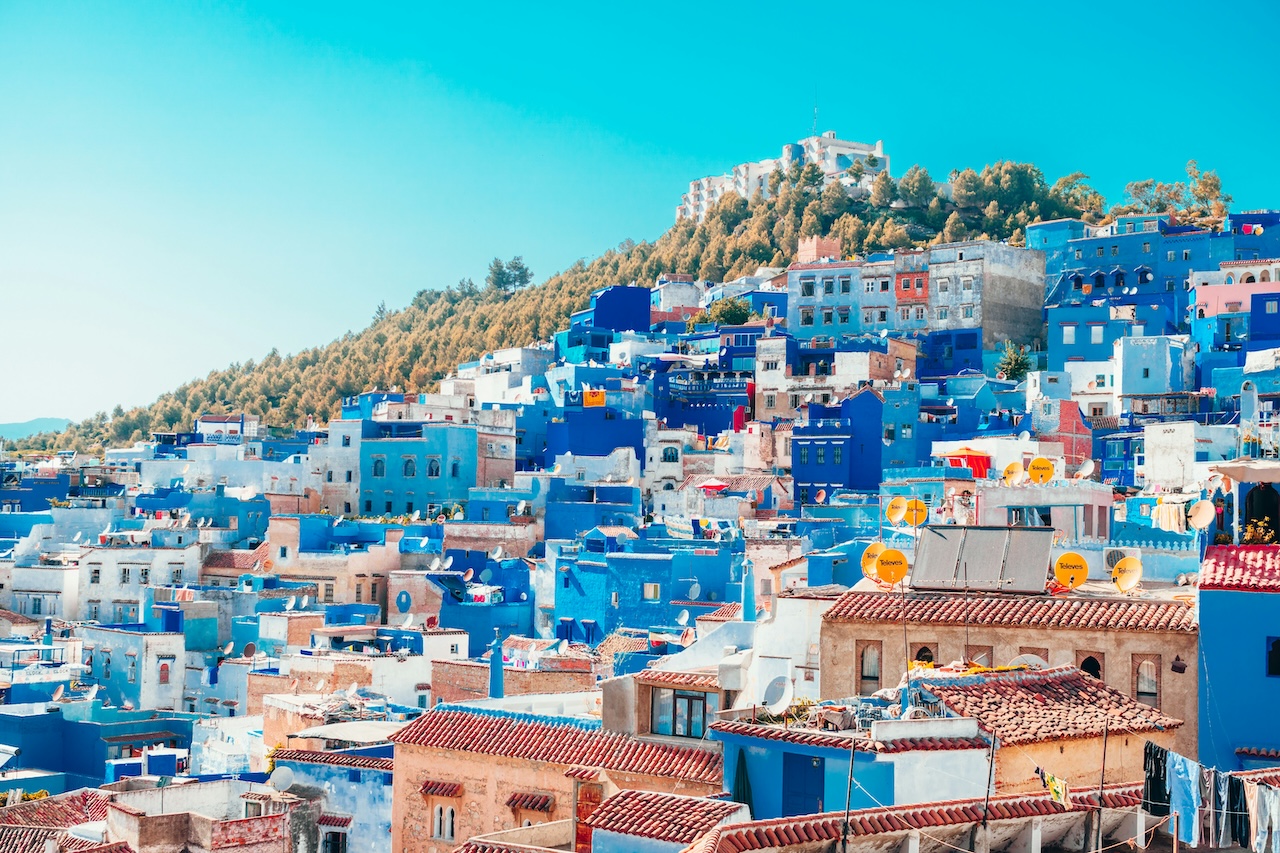
Morocco's pre-Saharan south — the Draa Valley between Ouarzazate and Zagora, the palmeries of the M'Hamid region, the sand dunes of Merzouga and the kasbahs of the Dades Gorge — is a landscape so extraordinary in colour, scale and light that photography consistently struggles to represent it adequately. Combined with the imperial cities of Marrakech, Fes and Meknes, and the extraordinary coastal medina of Essaouira, Morocco provides one of the world's most concentrated and accessible introductions to Islamic art, architecture and culture within easy reach of the UK.
The Faroe Islands, positioned in the North Atlantic halfway between Norway and Iceland, are an archipelago of precipitous black cliffs, grass-roofed villages, endemic birdlife and a landscape shaped by volcanic geology and Atlantic weather. They are among the most dramatically beautiful places in Europe and reward the visitor who is prepared for weather, who walks properly, and who finds beauty in a landscape stripped of the Mediterranean's easy warmth. The photography community discovered them some years ago; the broader travel market has been slower to follow.
Colombia has undergone a transformation in its international profile over the past fifteen years. Cartagena's walled Caribbean old town is one of the finest preserved colonial cities in the Americas. The Zona Cafetera's coffee estates, growing in a landscape of extraordinary green fertility, produce some of the world's most celebrated coffee. Bogotá has a cultural and culinary scene of international standing. The Amazon is accessible via Leticia.
Sri Lanka is compact enough to be fully explored in two weeks and diverse enough to sustain any number of return visits. The ancient city complex of Anuradhapura, the rock fortress of Sigiriya, the high-altitude tea estates of the central highlands accessible by one of Asia's most scenic train journeys, the wildlife of Yala and Minneriya national parks and the beaches of the south coast are all within a few hours' drive of each other.
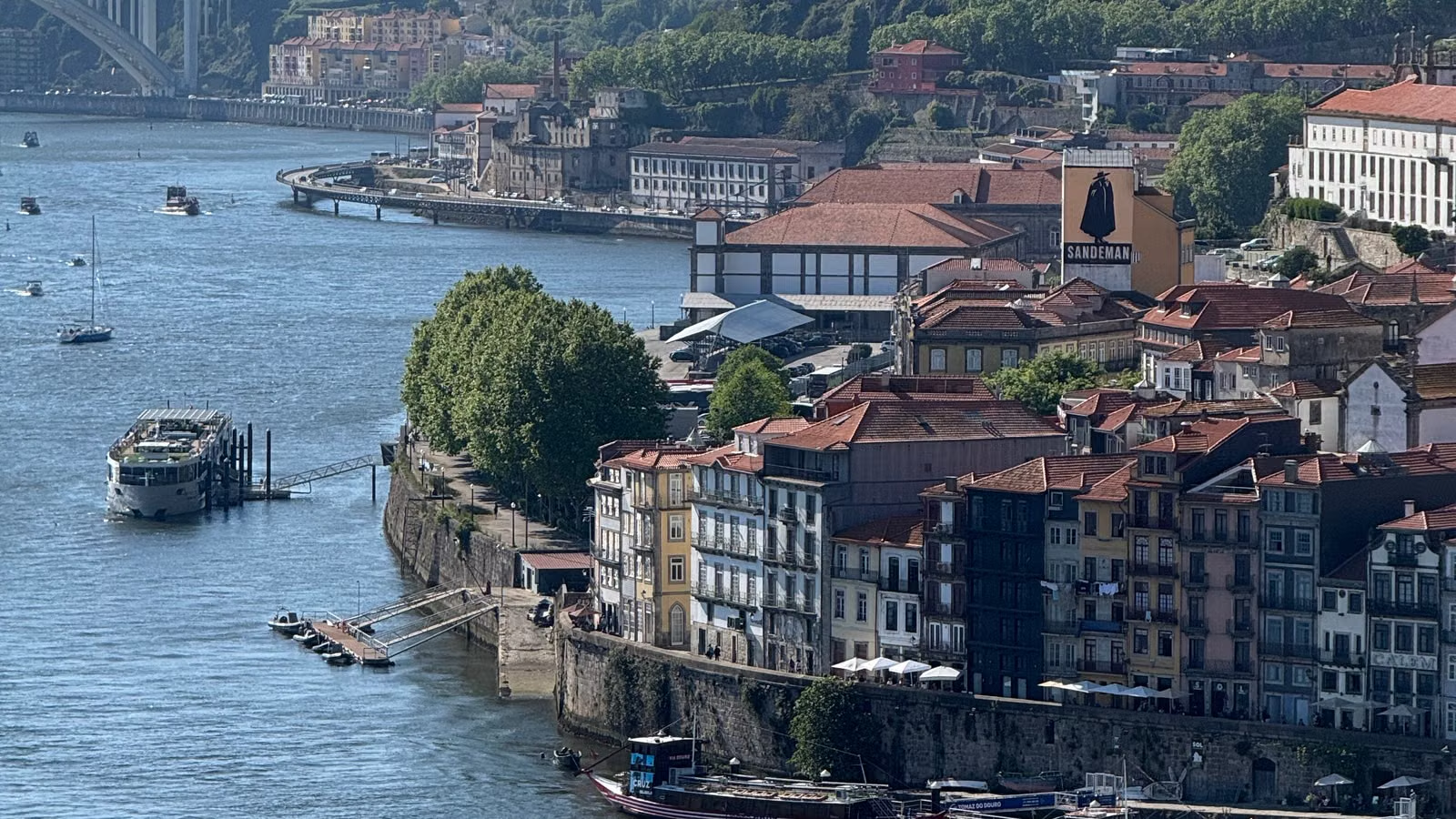
Portugal's interior — the Alentejo, the Douro Valley, the Serra da Estrela highlands and the landscapes of the Beira Interior — is almost entirely overlooked by mainstream British tourism despite containing some of Portugal's finest landscapes, most remarkable pre-Roman archaeology (the megalithic stone circles of the Alentejo pre-date Stonehenge) and most distinctive food and wine culture.
Iceland beyond the Ring Road — particularly the interior Highlands, accessible only by four-wheel drive on the F-roads that open in June and close in September — contains some of the most extraordinary geological landscape in the world: active volcanic calderas, obsidian fields, geothermal rivers of vivid turquoise, and a silence of a kind that is genuinely rare in an inhabited country. The highland circuit between Landmannalaugar and Þórsmörk traverses terrain that has no equivalent in Europe.
Uzbekistan's Silk Road cities — Samarkand, Bukhara and Khiva — contain Islamic architecture of a quality and scale that rivals the finest buildings in Turkey, Iran and India. The tilework of Samarkand's Registan, one of the most impressive public spaces in the world, the medieval trading domes of Bukhara's bazaar quarter and the entirely intact walled city of Khiva place Uzbekistan at the top of the list for culturally motivated travellers who have already covered the canonical itineraries.
How to Approach Planning for Unfamiliar Destinations
Planning a less-familiar destination requires more research investment, more engagement with specialist operators and, in some cases, more willingness to accept the assistance of expert guidance on the ground. Condé Nast Traveller's destinations coverage and Lonely Planet's annual best-in-travel selections provide well-edited starting points.
Building the Itinerary That Does Justice to Each Place
The most consistent error in planning an unfamiliar destination is compression — trying to cover too much ground because the cost and effort of getting there seems to demand density. The opposite approach reliably delivers more: fewer places, properly engaged with, enough time to return to the same view at different times of day and understand something about how people actually live in the place being visited. For most of the destinations above, twelve to fourteen days represents a genuine minimum.

.jpg)
.jpg)


.svg)