.svg)







Travel, as it is commonly practised, is a form of accumulation. Countries visited, sights checked off, restaurants tried and photographed. The itinerary is a list to be completed; the photographs are evidence of completion; and the conversation on returning home is structured around the inventory of experiences covered in a given number of days. This is not a criticism of the people who travel this way — it is the default template that the travel industry has made extremely efficient, and it delivers real pleasure to a great many people.
But there is another way of moving through the world that is gaining ground among experienced travellers, and it produces a quality of experience that the accumulation model cannot. Slow travel — the practice of staying longer in fewer places, moving between them at a pace that allows genuine engagement and learning, and treating the journey itself as a significant part of the experience rather than a logistical inconvenience — is not a trend or a philosophy. It is, for those who try it seriously, a straightforwardly superior way to travel. And it is one that is particularly well-suited to the interests and priorities of travellers who have been doing this long enough to know what they actually want from a journey.
What Slow Travel Actually Means in Practice
Slow travel is defined as much by what it is not as by what it is. It is not staying two nights in each of five European cities over ten days. It is not a multi-country itinerary structured around a short-haul flight between each location. It is not checking the cathedral, the museum, the viewpoint and the recommended restaurant and judging that a city has been adequately covered.
In practice, slow travel looks like this: a week or more in a single city or region, using it as a genuine base from which the surrounding area can be explored at leisure rather than as a waypoint on a rolling itinerary. A morning market that becomes a weekly ritual. A restaurant where you are recognised by the second visit and offered the table you had before. A neighbourhood that reveals itself gradually — the café that opens at seven and is always full of the same three retired men by half past, the view from the back street that doesn't appear in any guidebook, the local festival that you attend because you happened to be in town when the posters appeared.
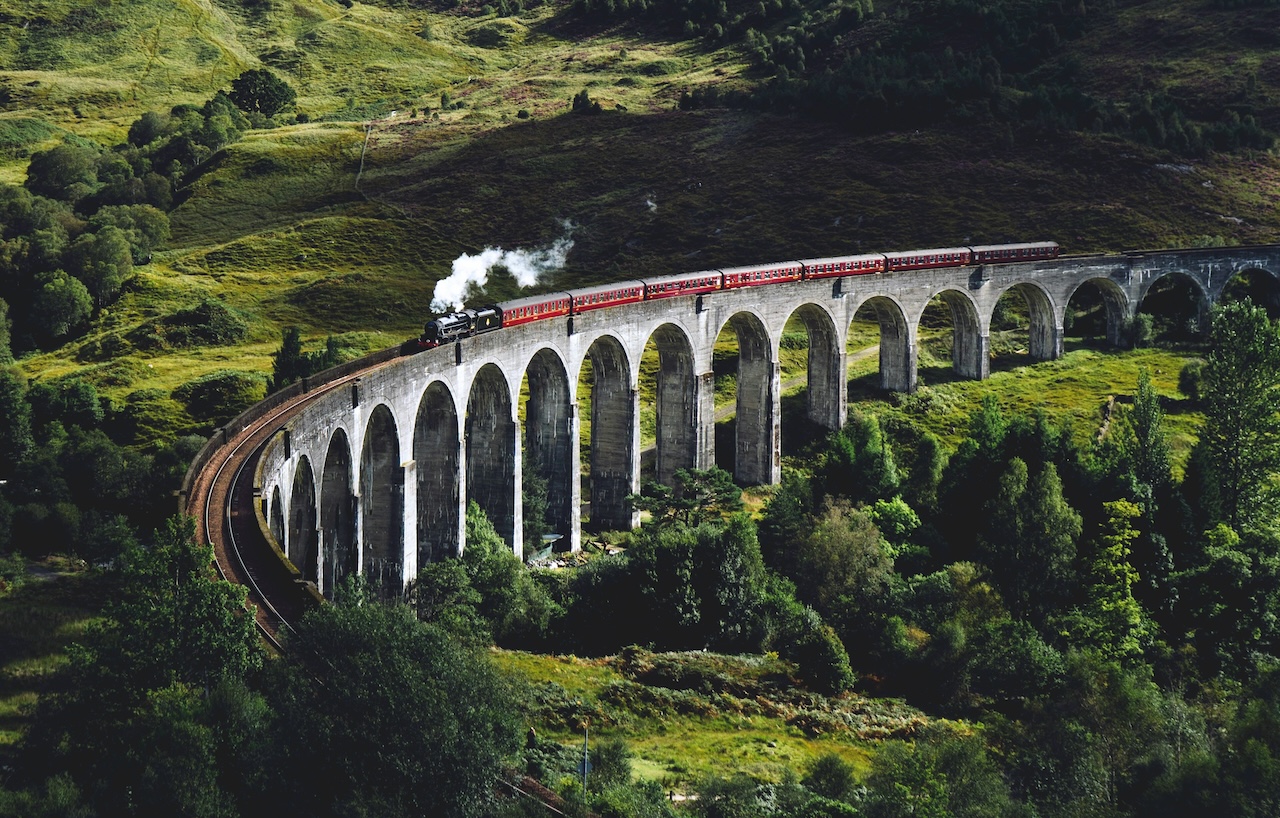
It also means choosing surface transport over air travel where the journey itself has something to offer. Taking the train from Paris to Marseille rather than flying means four hours of Burgundian vineyard and Rhône valley arriving at eye level, with a coffee in the dining car and the ability to read or simply watch. Taking the overnight ferry from Portsmouth to Bilbao means waking up in the Bay of Biscay with the Spanish coast ahead, which is a travel experience of a different order entirely from a forty-minute Ryanair connection. These choices are not purely philosophical; they produce a different quality of experience in which the movement between places has genuine content.
Destinations That Particularly Reward Longer Stays
Some destinations are structurally suited to slow travel — they have a density of experience distributed across a landscape or urban environment that can only be accessed gradually, over time, by someone who has settled into the rhythm of the place. Others are perfectly engaging for a short visit but reveal nothing further to those who stay longer. The following fall emphatically in the first category.
Italy is the historical benchmark for slow travel and has been for several centuries. The Grand Tourists who spent three months in Rome understood something that the four-night city break visitor is not structurally positioned to discover: that the city has layers of time, meaning and daily life that require repeated, patient attention to peel back. A month in Rome, Tuscany, Sicily or the Veneto produces a relationship with Italy — its food seasonality, its neighbourhood character, its specific quality of late afternoon light — that a week-long visit cannot begin to approximate. The food culture alone justifies the extended stay: the relationship between a local trattoria and its rotating seasonal suppliers, the difference between eating in a place that knows its guests may return tomorrow and one that knows they will not, the understanding that the specific pasta dish on Tuesday uses yesterday's braised short-rib and that this is not a compromise but a design — these things reveal themselves over time.
Japan's rural regions are almost entirely inaccessible to the traveller working through a standard one-week itinerary. The Kiso Valley's preserved Edo-period post towns, the Kii Peninsula's ancient pilgrimage route through cryptomeria forest and sacred sites, the Noto Peninsula's lacquerware and food culture, the mountain villages of Yamagata with their deep-snow winters and onsen tradition — these are places where Japan's most distinctive character — its relationship with ceremony, seasonal food, craft and the kind of silence that is only possible in a functioning rural community — is most fully intact. A slow journey through a single Japanese rural region over ten days produces a quality of understanding that no number of shorter visits to the major cities can substitute.
Portugal's Alentejo is a region of cork oak forest, white-walled villages, megalithic stone circles and standing stones that predate Stonehenge, and a food and wine culture of genuine international standing, almost entirely overlooked by mainstream British tourism despite being within three hours of Lisbon by road. A week based in a single Alentejo village — attending the Thursday market, eating at the local tasca, cycling through the cork oak estates in the early morning, learning the names of the producers whose olive oil and wine appears on the table — is one of the most quietly rewarding slow travel experiences available within easy reach of the UK.
The Scottish Islands beyond the NC500 tourist circuit — the Outer Hebrides, Orkney, Shetland and the smaller inner Hebridean islands — reward a stay of ten to fourteen days in a way that a three or four night visit structurally cannot. The character of these islands — the quality of the light, the rhythm of the tides, the relationship between the landscape and the communities that have lived within it across millennia — requires time and repetition to appreciate. These are places where a visitor who stays long enough ceases to be a tourist and begins to be a temporary resident, received with a warmth that is proportional to the seriousness of the engagement.

How to Structure a Slow Journey Without Losing Momentum
The anxiety associated with slow travel — particularly for travellers who are accustomed to the productivity framework of a dense itinerary — is that staying longer in one place will become dull or restless. This rarely happens to travellers who approach the format correctly, but it does require a different planning mindset.
The key is to arrive with a framework rather than a schedule. Know what you want to understand about the place — its food culture, its historical layer, its natural landscape, its relationship between past and present — and allow each day to contribute to that understanding without forcing it. Identify two or three slightly more structured activities as anchors in the week — a guided walk of historical significance, a cooking class with a local chef, a boat trip to an adjacent island — and let the days between them develop organically from whatever the place presents.
The other useful structural element is a local contact: a guide who is available for a half-day at short notice, a market stallholder who will tell you about the valley's olive harvest, a guesthouse host with a considered opinion about the best walk above the village. These connections are more accessible on a longer stay and provide the contextual intelligence that converts good travel into travel with genuine understanding.
The Practical and Financial Case for Staying Put
The financial logic of slow travel is often more compelling than it initially appears. A week in a single well-chosen apartment in a European city typically costs less, when all costs are included, than four hotel nights across four cities — once flights, airport transfers, the time spent in transit and the cognitive overhead of constantly orienting to new environments is properly accounted for. Eating from local markets, cooking simple meals from the produce available at the neighbourhood shop, eating at local restaurants at local prices rather than tourist-oriented venues — all reduce the per-day cost while increasing the quality and authenticity of the experience.
The Guardian Travel's slow travel coverage provides a consistent source of destination-specific inspiration and first-person accounts that give a realistic sense of what slow travel produces in practice. The Slow Travel community hub connects travellers with shared values and destination-specific guidance across a wide range of formats and locations. The art of slow travel is, ultimately, the art of paying sustained attention — to a place, to the people within it, to the quality of the light on a particular afternoon — and discovering what a location has to give when you have given it enough time to give it.

.jpg)
.jpg)


.svg)