.svg)




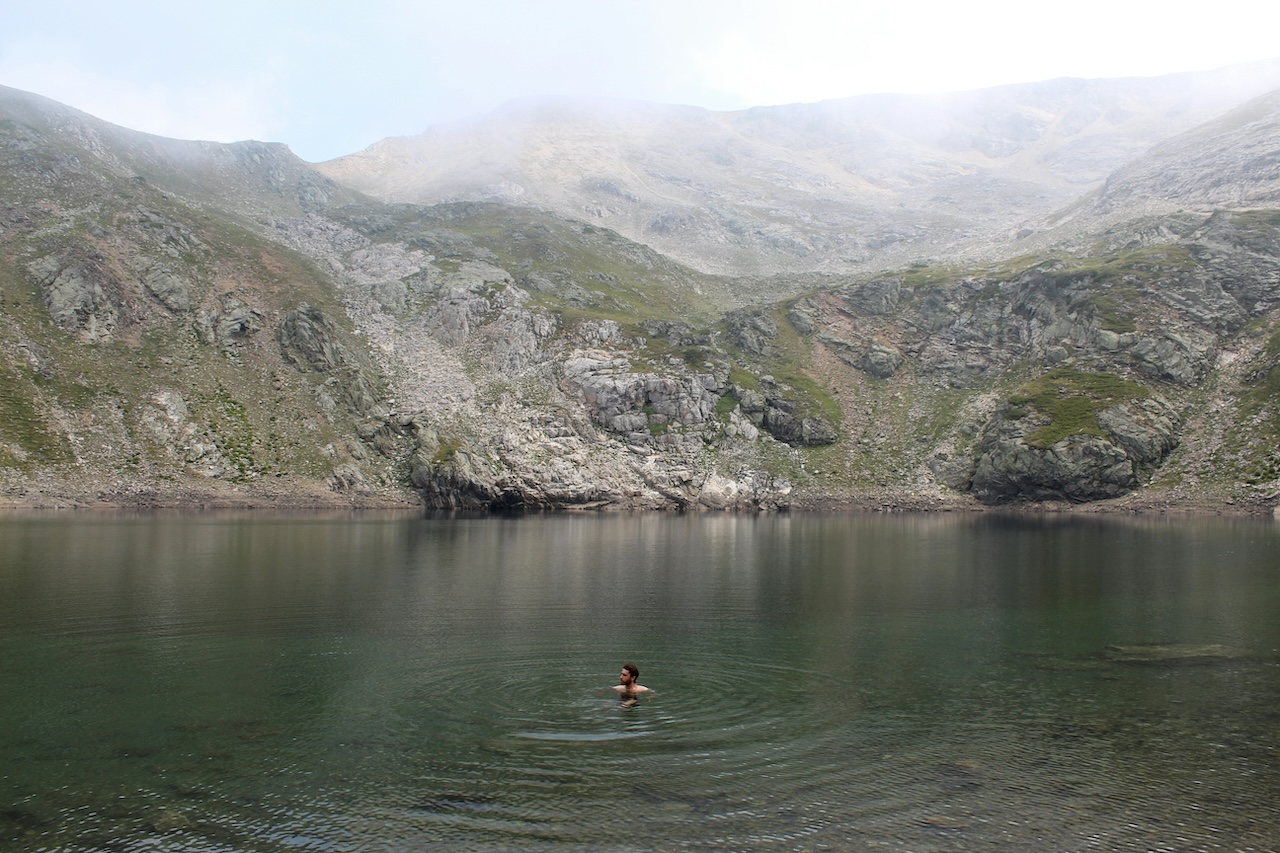



Wild swimming — the practice of swimming in natural, open water rather than managed pools — has undergone a remarkable shift in British cultural life over the past decade. What was once the territory of eccentric diehards and wild-bearded river men is now enjoyed by a broad, diverse community of adults who have discovered in it something that chlorinated lanes and gym pools cannot offer: a sensory engagement with the natural world that is both physically invigorating and, according to an expanding body of personal testimony, meaningfully beneficial for mental wellbeing.
Britain's swimming geography is, when properly explored, extraordinary in its variety and quality. The Lake District's high tarns, the Scottish Highlands' loch shores, the chalk streams of southern England, the sea pools of the Cornish and Welsh coasts, the rivers of Dartmoor and the Brecon Beacons — each offers a different water character, a different landscape and a different quality of experience. Getting to know them is a slow, seasonal, consistently rewarding project that many swimmers describe as having changed their relationship with the natural landscape of these islands entirely.
Why Wild Swimming Has Grown So Significantly
The growth of wild swimming in the UK is genuinely cultural rather than merely fashionable, and it is rooted in several converging factors rather than a single trend.
The pandemic years gave a large number of people their first experience of outdoor water — rivers, reservoirs, sea pools — when access to public pools was unavailable. A significant proportion of those who found their way to a loch, a chalk stream or a Cornish cove during that period discovered they had no desire to return exclusively to the pool environment. The water was colder, the setting was incomparably better, and the effect on mood and mental state was noticeably different — more intense, more lasting and more genuinely restorative than the managed pool experience.
The cultural profile of cold water swimming has been raised considerably by media coverage and the evangelism of those who practise it regularly. Cold water immersion, practised consistently throughout the year, is associated by many regular swimmers with improved mood, reduced stress response, better quality of sleep and a general sense of physical robustness. These are experiential accounts rather than prescriptions, and wild swimming should be approached on its own considerable merits as an activity that is inherently pleasurable in its own right — the landscape, the social dimension, the physical sensation of moving through natural water — independently of any wellness rationale.
The community dimension is also significant. The wild swimming scene in the UK has a warmth and generosity of spirit that is relatively rare in outdoor pursuits. Dedicated open water swimming groups operate in most regions of the country, early-morning swims that function as genuine social rituals have become part of many regular swimmers' weekly structure, and a culture of sharing good locations and conditions openly — amplified by social media but rooted in a pre-digital tradition of local knowledge — makes new swimmers feel welcomed rather than excluded.
The Best UK Locations by Region
Scotland has the greatest concentration of outstanding wild swimming locations in the UK, combining water quality that is exceptional by European standards with landscapes of extraordinary drama. The lochs of the Highlands and Islands offer deep, cold, clean water in settings that range from gentle and accessible to genuinely remote. Loch Morlich in the Cairngorms National Park — managed by the Forestry Commission with a sandy beach and clear views of the Cairngorm plateau — is among the most accessible high-quality loch swimming experiences in Scotland. The sea lochs of Wester Ross, particularly around Loch Torridon and Loch Broom, offer saltwater swimming in spectacular mountain settings. The more remote lochs of Assynt, Coigach and the Outer Hebrides reward those prepared to walk for them.
The Lake District is the most accessible concentration of quality wild swimming in England. The major lakes — Windermere, Ullswater, Coniston Water, Wastwater — all provide legitimate swimming opportunities, though popular spots can become busy on summer weekends. The greater rewards, and the genuinely solitary experiences, come from the higher tarns accessible only on foot: Blea Tarn above Little Langdale, Angle Tarn above Patterdale, Red Tarn below Helvellyn's eastern face, Sprinkling Tarn above Seathwaite in Borrowdale. Each requires a walk ranging from thirty minutes to two hours to reach, offers solitude in all but the busiest August conditions, and delivers a combination of mountain setting and cold, clear water that few outdoor experiences can rival.
Wales has exceptional coastal and river swimming across several distinct regions. The Pembrokeshire coast has sea pools and sheltered coves that function as natural lidos in calm conditions — the area around St David's Head, Abereiddy and Mwnt offers some of the finest coastal wild swimming in Britain. The rivers of the Brecon Beacons — the Usk and its tributaries, the upper Wye, the Mellte and Hepste with their waterfall pools — have pools of crystal clarity in summer that are accessible and genuinely beautiful.
The Chalk Streams of southern England are among the most distinctive swimming environments in Britain, and access to them is increasingly well-organised for responsible visitors. Hampshire's River Test and Itchen, the Kennet in Berkshire and the chalk streams of Wiltshire offer water of remarkable clarity and a consistent temperature that is warmer than surface rivers in winter and cooler in summer — an asset in both directions. The plant life of a chalk stream — the riparian meadows, the watercress beds, the waving ranunculus below the surface — is beautiful in its own right, and the experience of swimming in this environment is unlike any other freshwater option in Britain.
Coastal swimming deserves separate recognition from the lake and river tradition. Natural sea pools along the coastlines of Cornwall, West Wales and the Scottish islands — some formed by rock, others constructed in the Victorian era — provide a supported wild swimming experience with defined boundaries and often spectacular views. The Tunnels Beaches sea pool in Ilfracombe, the rock pools of the Gower Peninsula and the extraordinary tidal pool at Porthgwarra in Cornwall each offer something the managed pool environment cannot.

Safety Essentials Every Swimmer Should Know
Wild swimming in the UK is a broadly safe activity when approached with proper preparation and common sense, but natural water environments make demands that the pool setting does not. Understanding the key risk factors and managing them intelligently is the foundation of safe practice.
Cold water acclimatisation is essential for anyone new to outdoor swimming. The body's response to sudden cold water immersion — a sharp involuntary gasp followed by rapid, uncontrolled breathing — is manageable and becomes significantly less pronounced with regular exposure, but it can catch first-timers off-guard and cause panic. Starting in summer, when water temperatures are at their highest, entering slowly and deliberately rather than jumping, and building cold water exposure gradually over successive sessions are the sensible progression.
Entry and exit points should be identified and assessed before entering the water. Lakes and rivers frequently have muddy, steep or submerged-obstacle shores that appear innocuous from a distance but are difficult to navigate when cold and tired. Knowing where you will exit before you enter is not optional.
Current awareness is essential in moving water. River currents can be significantly stronger than surface observation suggests, particularly after rainfall. The sea requires additional assessment of tidal state, rip current indicators and offshore wind before swimming.
The Outdoor Swimming Society's safety guidance is the most comprehensive and authoritative resource for anyone approaching open water swimming in the UK.
Kit, Etiquette and Conservation Responsibility
The equipment required for comfortable wild swimming is modest: a brightly coloured tow float (a safety aid and visibility marker), a change of warm clothing for immediate post-swim use, neoprene gloves and socks for cold-season swimming, and a wetsuit if swimming regularly through the winter months. A good towel and a warm hat are undervalued items that make the post-swim recovery significantly more pleasant.
The wild swimming community takes its relationship with natural environments seriously, and the etiquette that underpins good access reflects this. Using established access points, leaving no trace, avoiding areas with nesting wildlife (particularly loch and riverbank nesting birds in spring), respecting any site-specific restrictions and being considerate of other water users are the basic courtesies that protect both the environment and the access rights that everyone in the community depends upon.
For location discovery and research, Wild Swimming's UK location guide is the most comprehensive resource currently available — curated, location-specific and regularly updated to reflect access changes and seasonal conditions across England, Scotland and Wales. Britain's natural swimming geography is remarkable, and the exploration of it is, for many who begin, a pursuit that continues for a lifetime.







.svg)