.svg)







Beyond Europe’s celebrated capitals and familiar coastlines are experiences that remain absent from most itineraries,from kayaking through a flooded mine to harvesting aromatic resin on a little visited Greek island.
Europe rarely needs another list of hidden villages. Many places described as undiscovered are already busy, highly photographed and only marginally removed from the standard route.
The more rewarding discoveries are often experiences rather than destinations: activities shaped by a local industry, landscape or tradition that could not be reproduced elsewhere. These ten are unusual enough to feel genuinely new while remaining possible to arrange.
Kayak Through an Abandoned Mine in Slovenia
Beneath Mount Peca in northern Slovenia, flooded passages from a former lead and zinc mine have become an underground kayaking route. The journey begins aboard an old mining train before participants change into protective equipment and paddle through dark galleries illuminated by head torches.
Slovenia’s tourism board describes it as a guided journey through the water filled workings of the Mežica mine. It is considerably more adventurous than a conventional cave tour and should be booked in advance.
Take a Sauna Around a Mountain in Finland
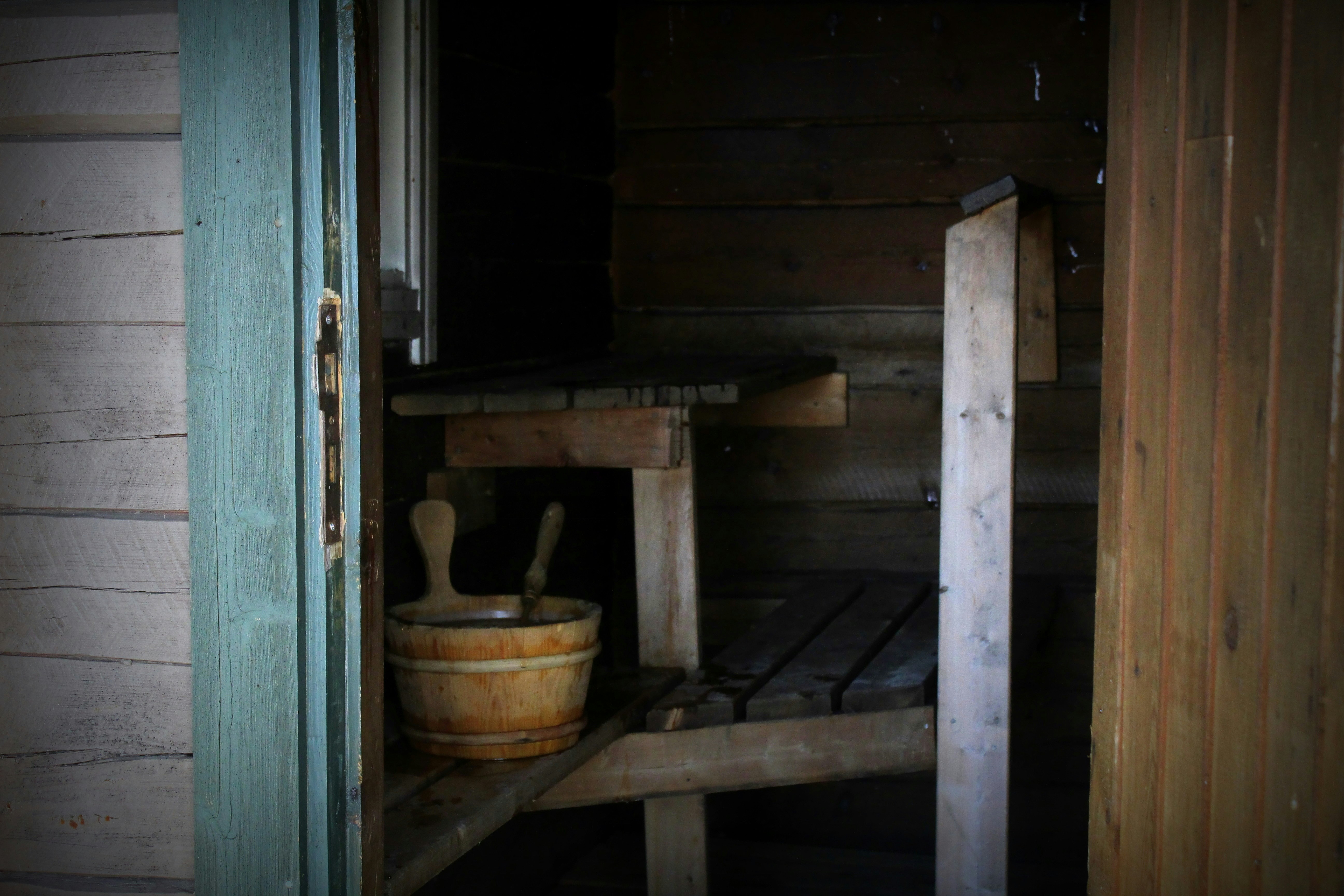
At Ylläs in Finnish Lapland, a wooden gondola cabin has been converted into a working sauna. Groups rotate through the cabin while it moves above snow covered slopes, combining one of Finland’s defining traditions with the unlikely sensation of travelling through the air in little more than a towel.
The Ylläs sauna gondola accommodates four people per circuit and operates as part of a larger private sauna experience. Availability is limited.
Watch Shrimp Fishing on Horseback in Belgium
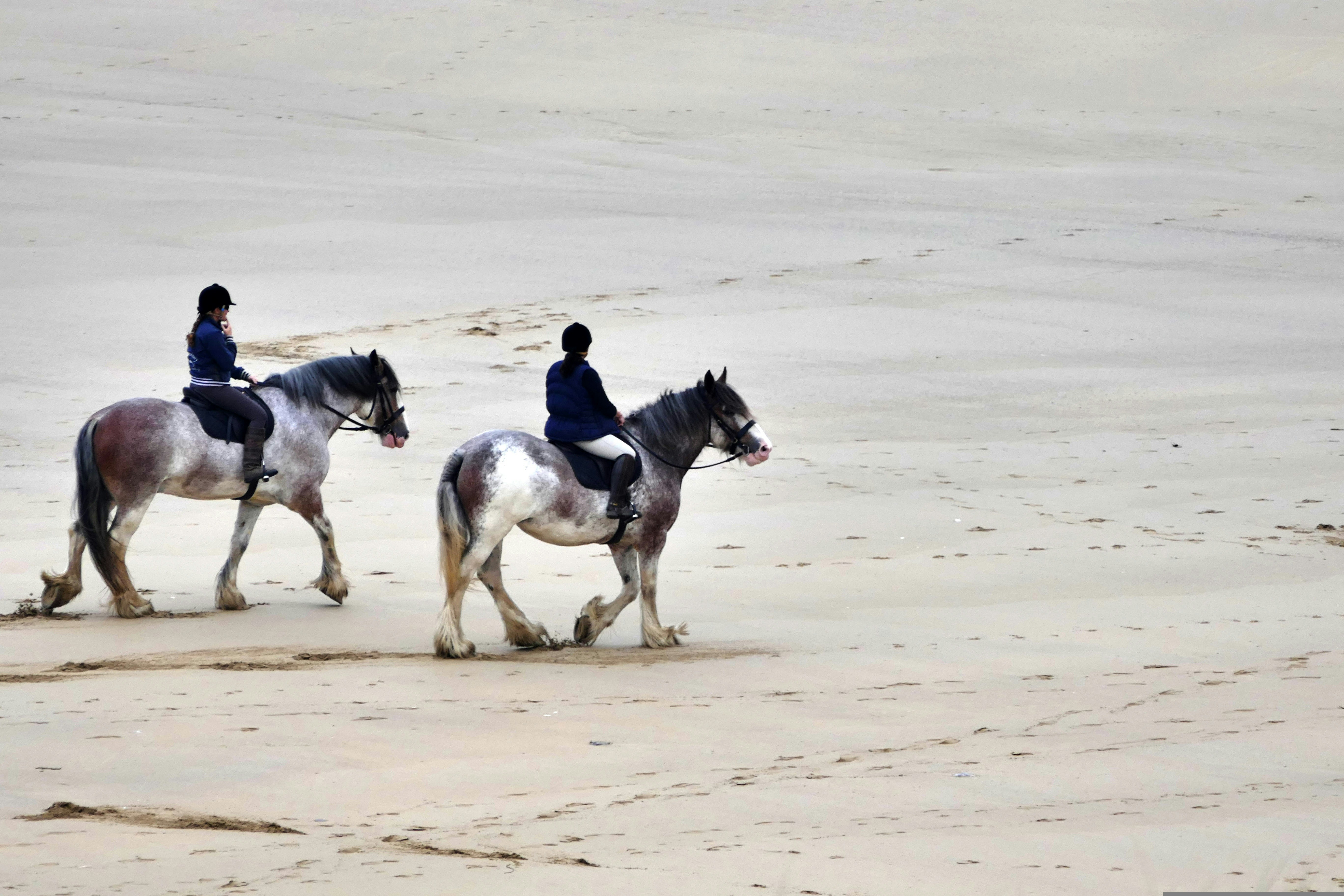
In Oostduinkerke, powerful Brabant horses walk chest deep into the North Sea while fishers drag funnel shaped nets behind them. The practice survives nowhere else in quite the same form.
Public demonstrations take place on selected dates, generally between spring and early autumn. The NAVIGO Fisheries Museum publishes the calendar and explains the process, from entering the water before low tide to sorting the catch on the beach.
Build a Timber Raft in Sweden
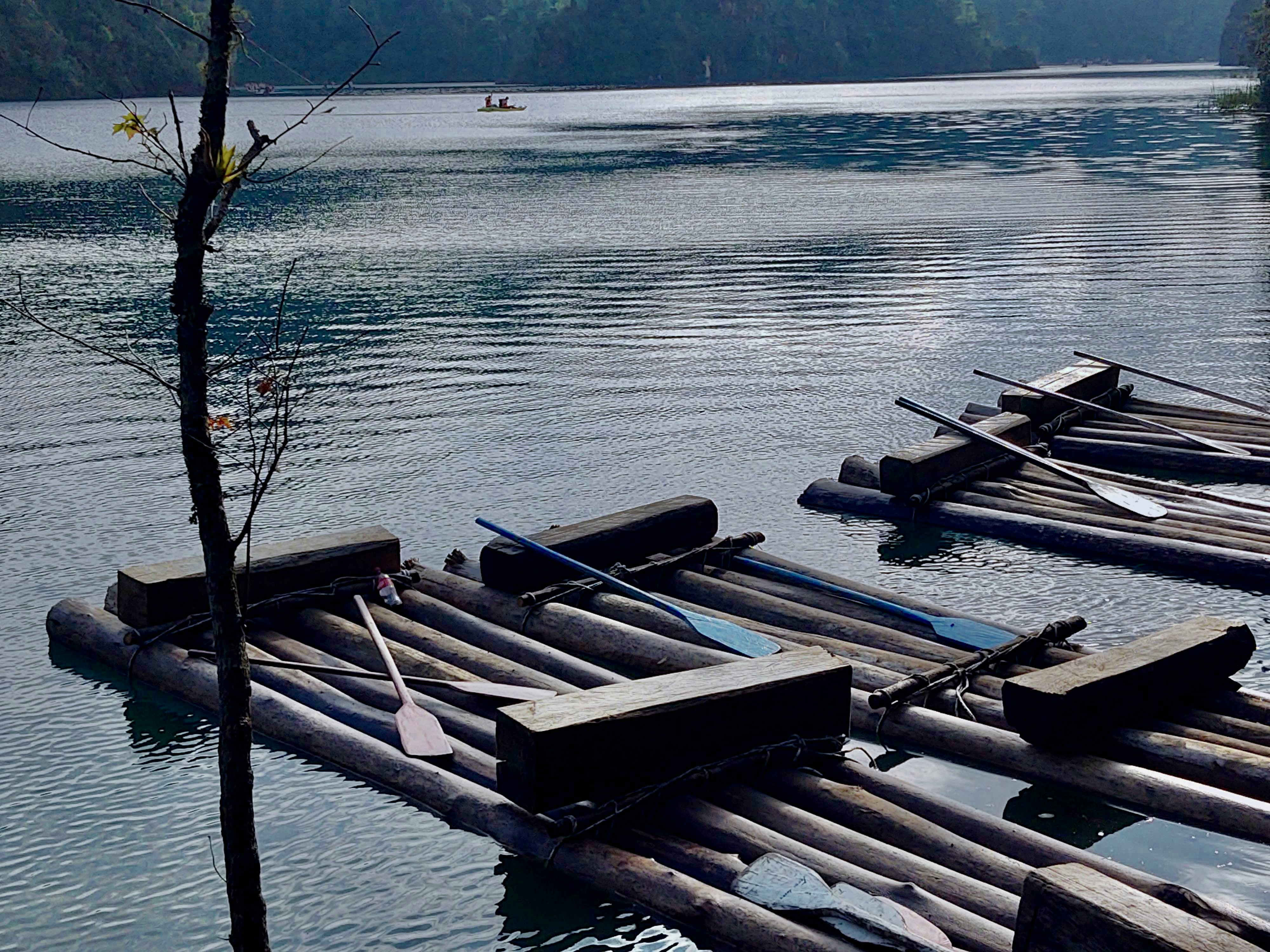
On the Klarälven River in Värmland, travellers can construct a raft from loose logs and rope, then use it to drift through forests and countryside. The building is not a decorative prelude: it is a substantial part of the journey.
Trips range from a single day to multi day adventures involving camping beside the river. Visit Sweden connects the experience to the region’s former log driving tradition, which continued on the Klarälven until 1991.
Ride an Olympic Bobsleigh Track in Latvia
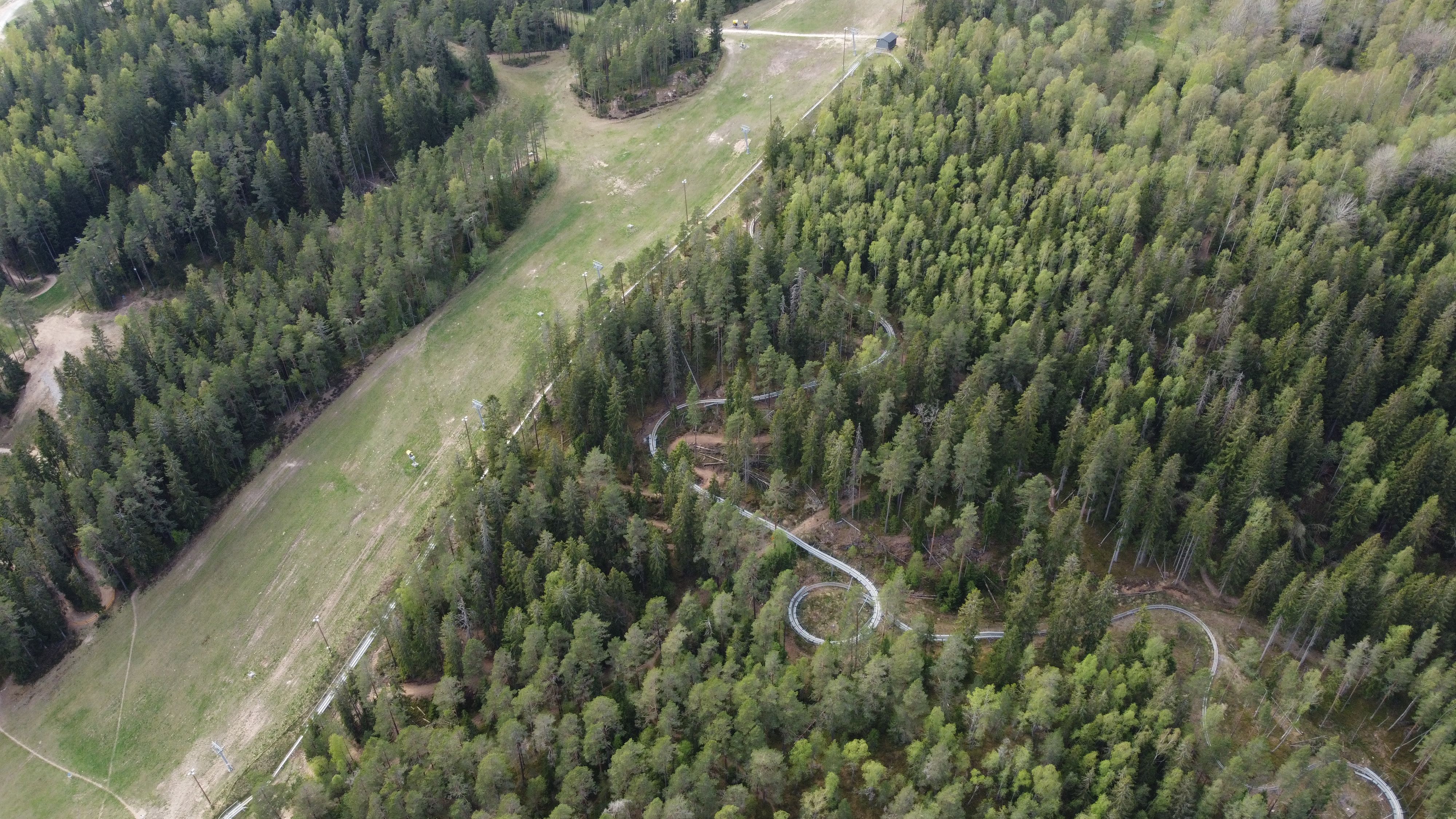
Sigulda’s bobsleigh and luge track is not reserved entirely for professional athletes. Visitors can experience the banked bends in a summer bob when the track is dry or choose soft bob and ice raft rides during winter.
Latvia’s national tourism portal confirms that public rides operate in different forms across the seasons. The run is brief, but the speed and force through the corners make it unlike a conventional theme park ride.
Travel by Boat Through a Polish Silver Mine
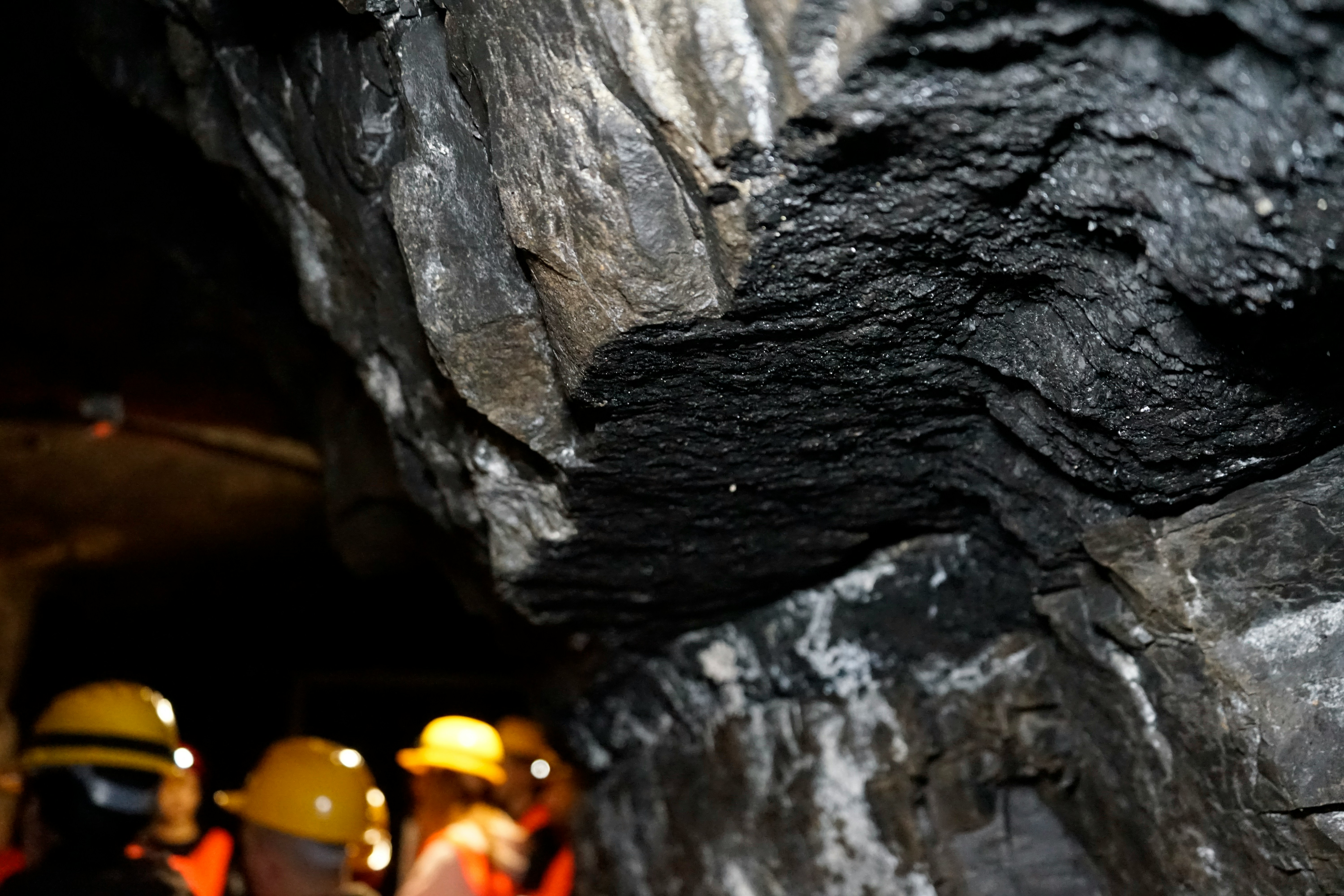
The Historic Silver Mine at Tarnowskie Góry offers an underground route through centuries old workings, part of which is crossed in small boats along a flooded passage.
The site tells the lesser known story of silver, lead and zinc mining and the water management system that allowed work to continue below ground. Poland’s official tourism site recommends arranging tours in languages other than Polish in advance.
Join the Mastiha Harvest on Chios
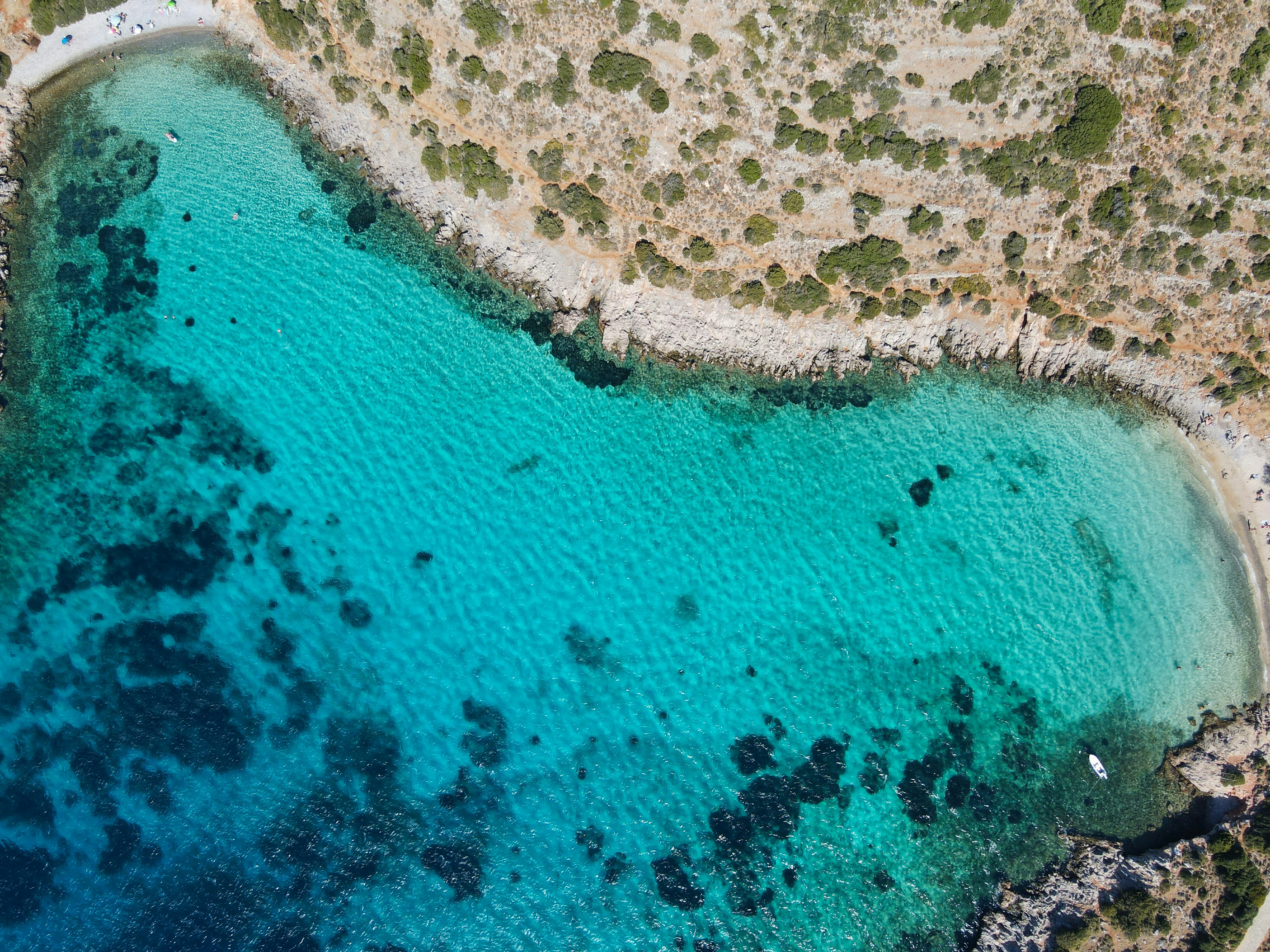
On the Greek island of Chios, farmers carefully score mastic trees so that drops of aromatic resin gather on the prepared ground below. The product, known as mastiha, is cultivated in the island’s southern villages as part of a tradition recognised by UNESCO.
Organised agritourism experiences introduce visitors to the cultivation process in the fields. The most atmospheric time is around the August harvest, although activities continue through parts of September. The official Chios travel guide provides information about local programmes and the island’s mastiha villages.
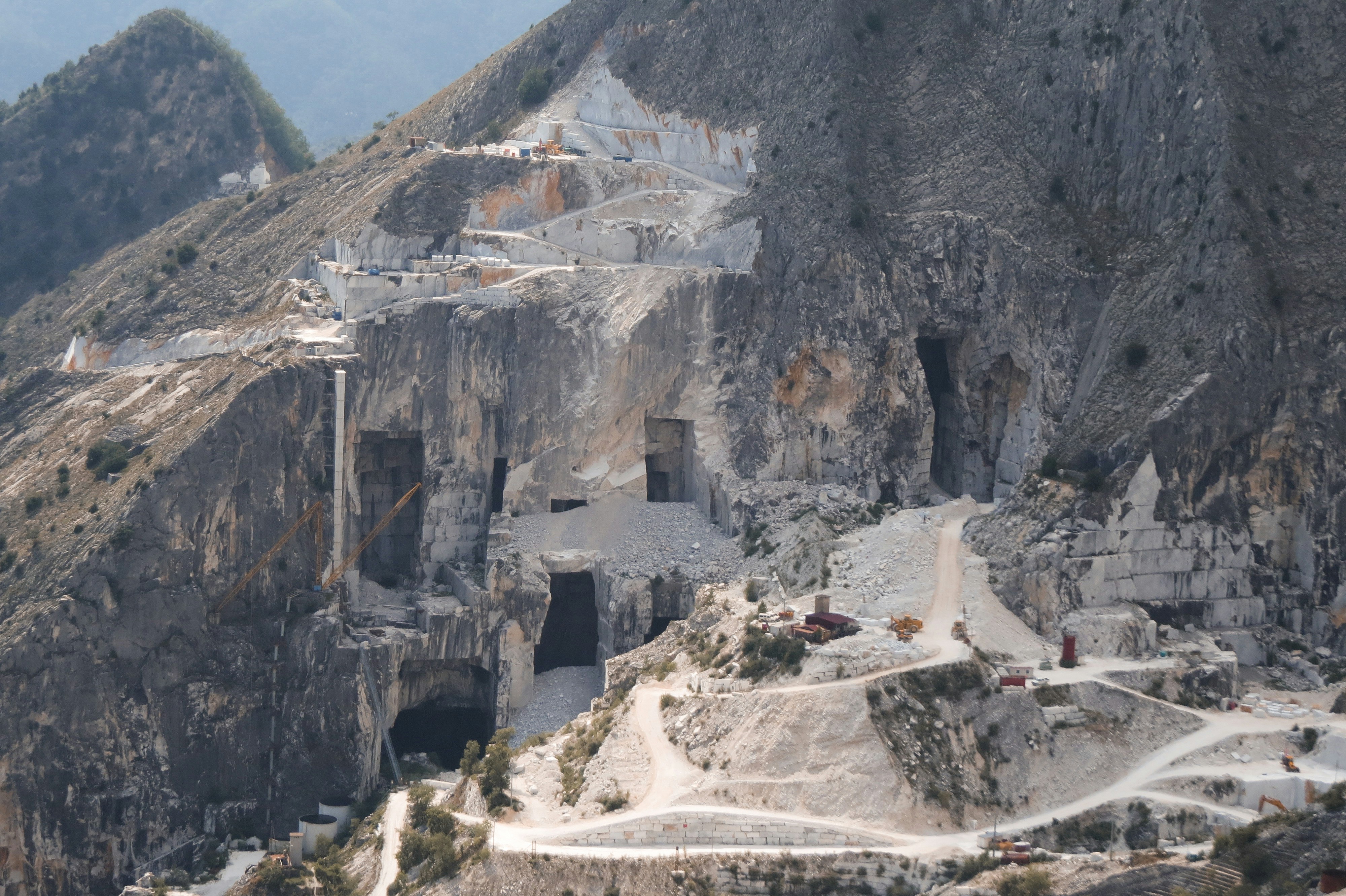
Enter a Working Marble Landscape in Portugal
Around Vila Viçosa, Borba and Estremoz, the Alentejo has been cut open by enormous marble quarries. Guided visits reveal terraces of white and pink stone, extraction sites and the process that turns raw blocks into architectural material.
The Marble Route offers scheduled tours from Vila Viçosa. It is industrial tourism rather than a polished attraction, which is precisely what makes the scale of the landscape so unexpected.
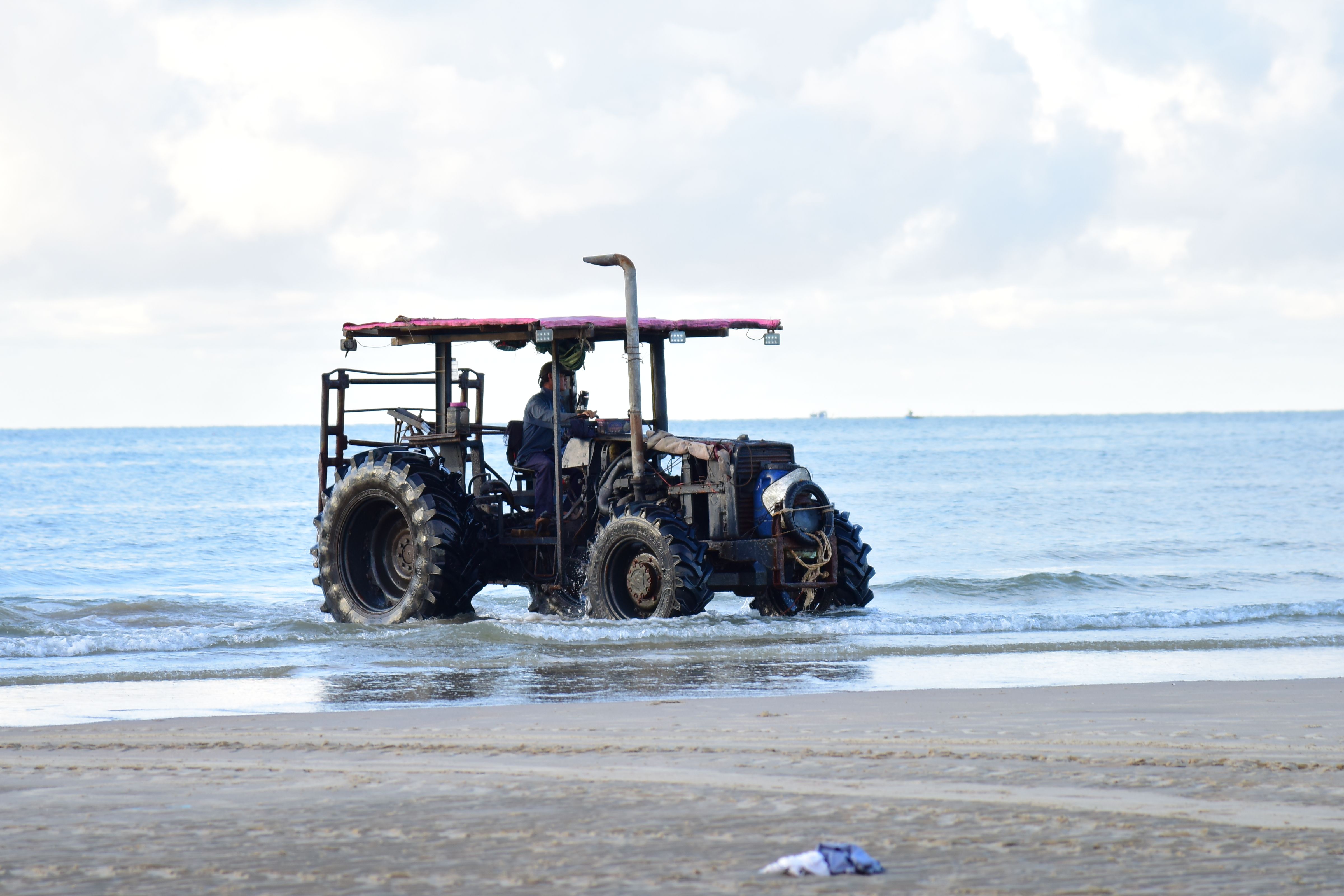
Take a Tractor Bus Across the Danish Seabed
The island of Mandø is reached across tidal flats by a specially adapted bus pulled by a tractor. On oyster safaris, the vehicle travels through the Wadden Sea with a local guide before visitors walk out to gather oysters from the exposed beds.
Departures depend on tides and weather. The wider area also works well with Inspired Travel Online’s guide to troll hunting in Denmark, creating a trip built around experiences rather than conventional sightseeing.
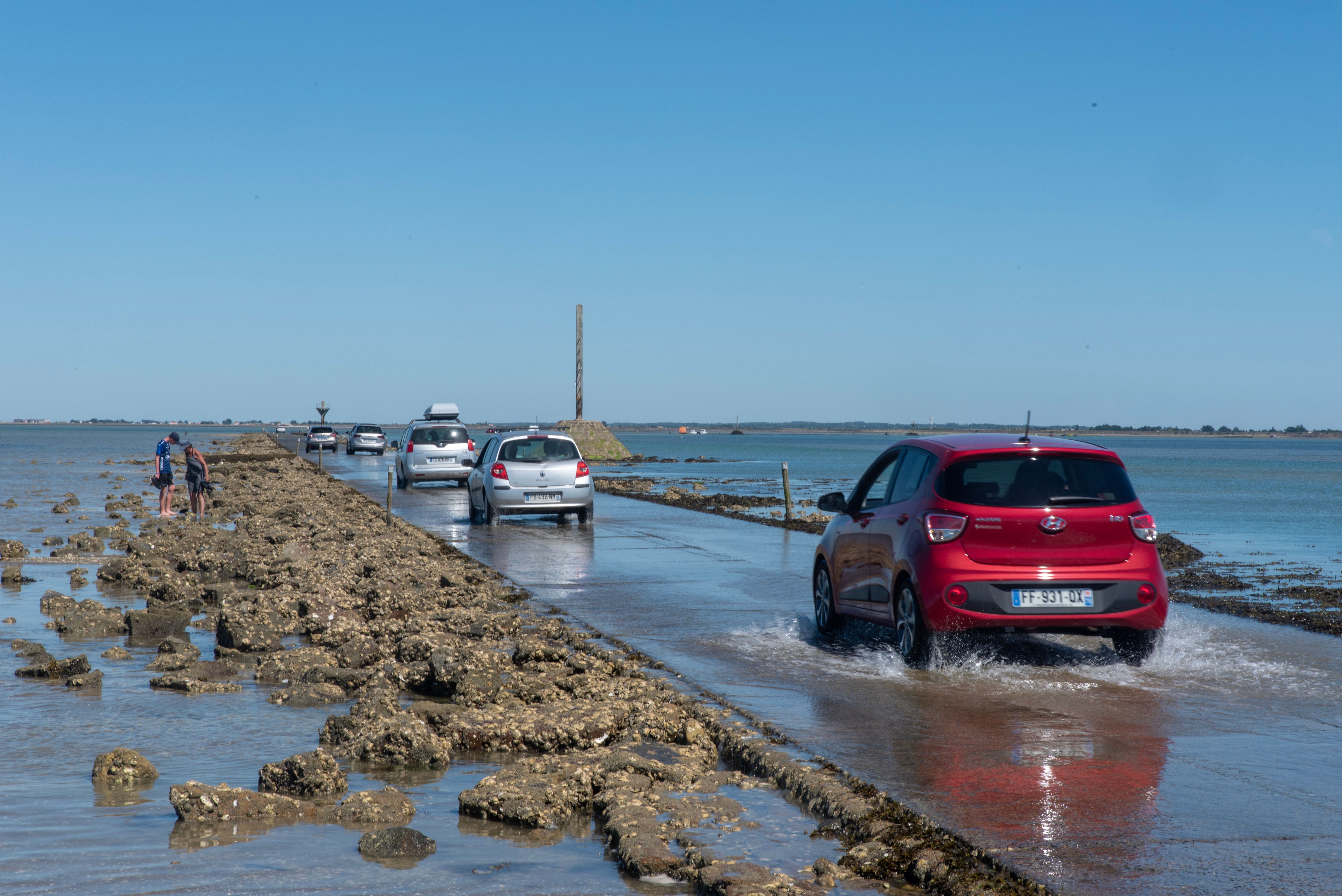
Cross a French Road That Disappears Under the Sea
The Passage du Gois links the French mainland with Noirmoutier, but only when the Atlantic retreats. The 4.2 kilometre road is submerged at high tide and reappears for a limited crossing window around low water.
It can be crossed by car, bicycle or on foot, but only after checking the official tide timetable. The rescue towers along the route are a reminder that it should never be approached casually. The Noirmoutier tourism office publishes current crossing guidance.
Planning a Journey Around Unusual Experiences
The value of these experiences lies partly in their restrictions. Harvests, tides, weather and small group sizes prevent them from operating like permanent urban attractions.
Confirm dates directly with the organiser, build flexibility into the itinerary and allow the surrounding region to matter as much as the activity. That approach reflects the art of slow travel: travelling with enough time for an unusual experience to become part of a place rather than another item completed before moving on.

.jpg)
.jpg)


.svg)