.svg)




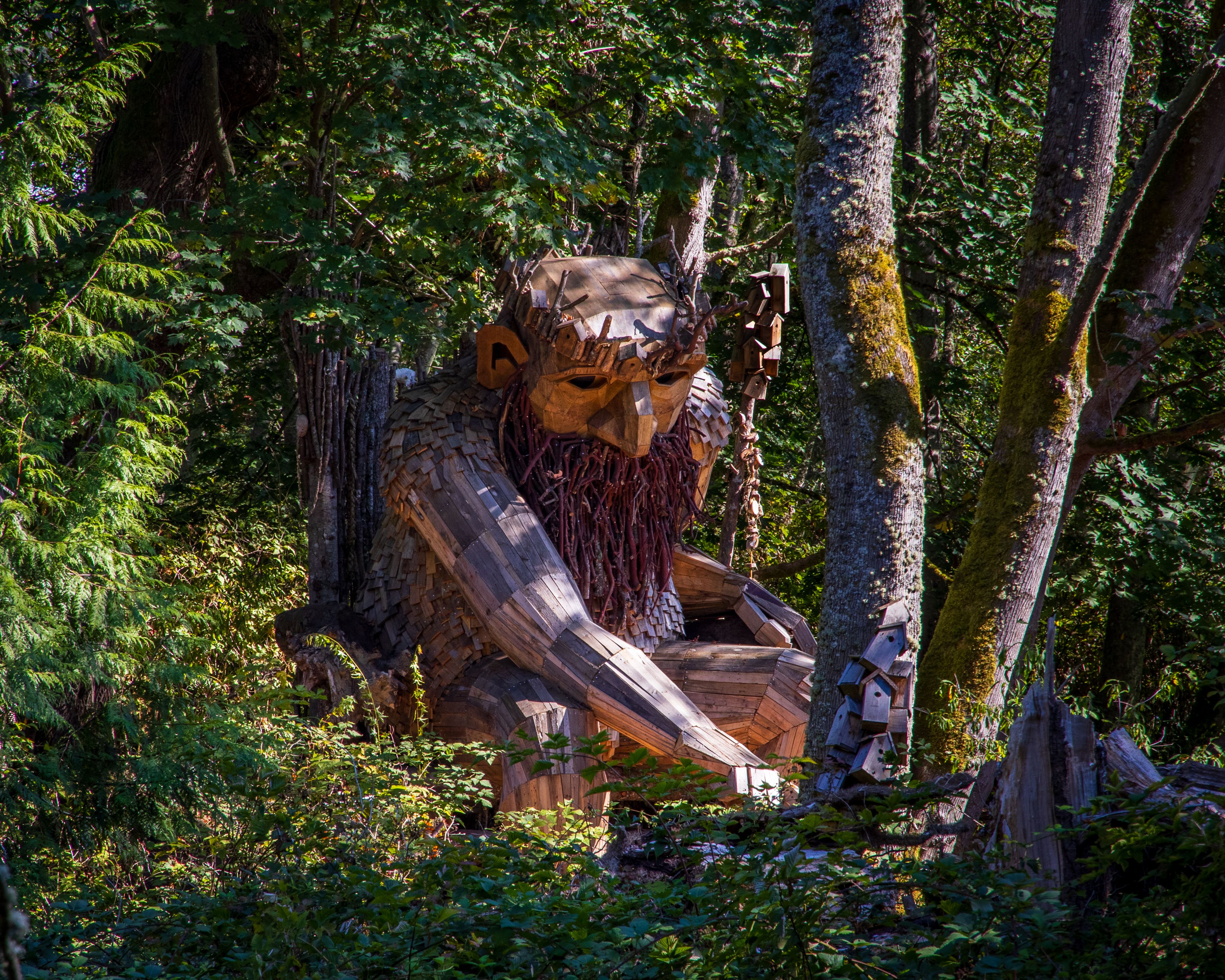



A face emerges between the branches. Further along the path, a wooden hand reaches across the forest floor. Elsewhere, an enormous figure sleeps beneath the trees or sits beside a lake, holding a branch like a fishing rod.
These are the creations of Danish artist Thomas Dambo, whose monumental sculptures combine public art, folklore and environmental storytelling. Built from recycled wood, often with local volunteers, they are placed beyond the traditional museum circuit, encouraging visitors to explore forests, wetlands and overlooked corners of the country.
For travellers, the result is one of Denmark’s most unusual outdoor experiences: part sculpture trail, part walking adventure and part real-world treasure hunt.
Is there one giant troll trail?
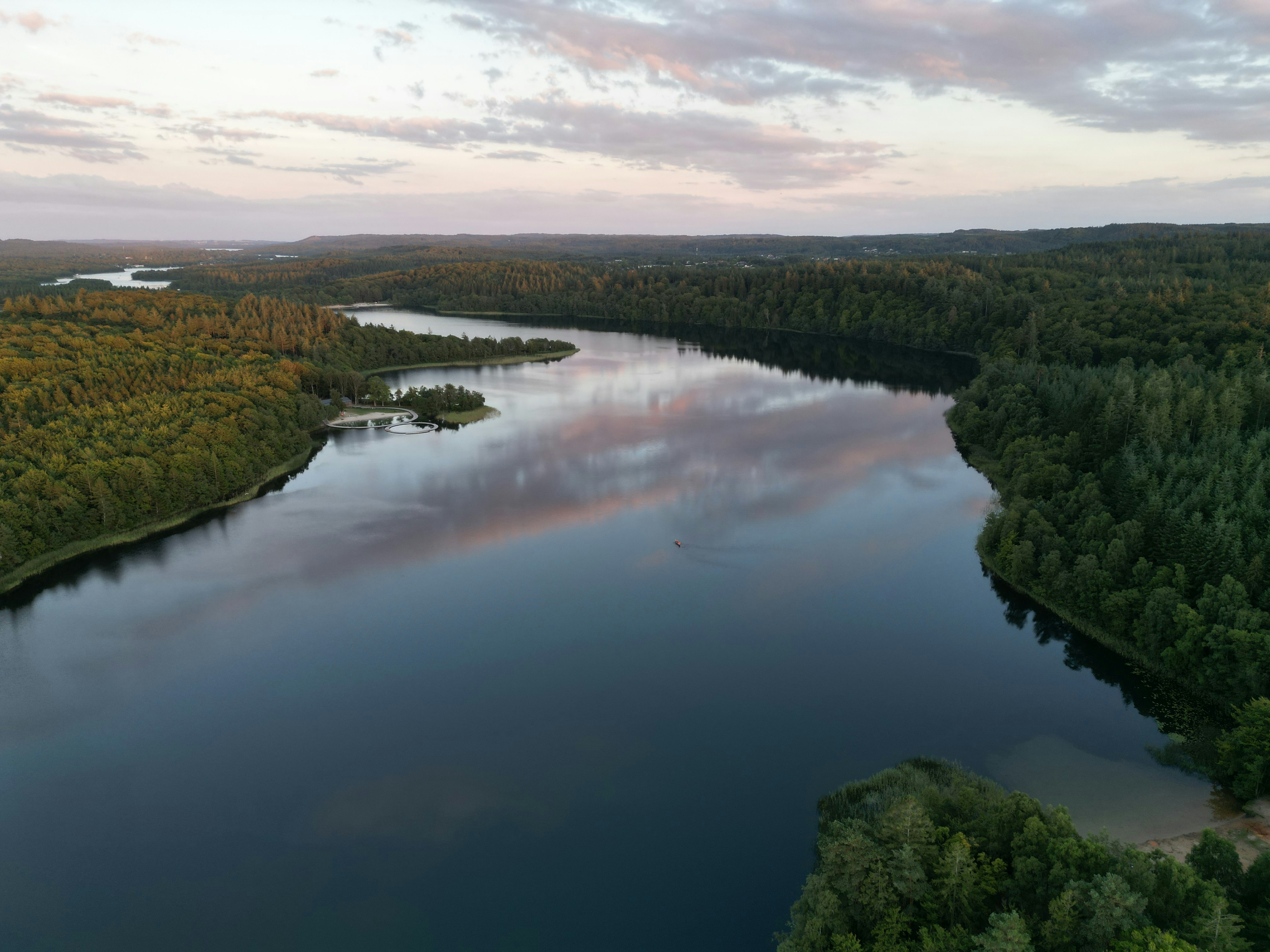
Despite the name often used online, there is no single waymarked hiking trail connecting every Dambo troll in Denmark. The sculptures are spread across the country, with the best-known group in Copenhagen’s western suburbs and others hidden across Zealand, Funen and Jutland.
The artist’s interactive Trollmap is the most useful starting point, showing the locations of his sculptures around the world. Check it shortly before travelling, as outdoor artworks may occasionally require maintenance or be affected by local access conditions.
For a short break, begin with the Six Forgotten Giants near Copenhagen. Travellers with more time can continue towards Roskilde and Hedeland or use individual trolls to shape a longer road trip.

Begin with the Six Forgotten Giants
Created in 2016, the Six Forgotten Giants are hidden across Rødovre, Hvidovre, Vallensbæk, Ishøj, Albertslund and Høje-Taastrup, west of central Copenhagen. Dambo made the sculptures from scrap wood with local volunteers, intending to bring art outside the museum and draw attention to beautiful but often overlooked natural spaces.
The six characters are Sleeping Louis, Hill Top Trine, Oscar Under the Bridge, Little Tilde, Thomas on the Mountain and Teddy Friendly. Their settings range from wooded hills and meadows to wetlands and the underside of a bridge, so no two approaches feel quite the same.
VisitCopenhagen has mapped a 31-kilometre cycling route connecting all six. Confident cyclists can tackle it in a full day, but walkers should resist turning the experience into a race. Dividing the giants across two days leaves room for forest paths, photographs, picnics and the occasional wrong turn that makes the search memorable.
Two or three sculptures in a day is a comfortable target on foot. The giants are enormous, but many remain concealed until the final approach, preserving the moment of discovery.
Continue to Roskilde and Hedeland
The natural extension lies in Fjordlandet, west of Copenhagen, where three more recycled giants are set among lakes and woodland.
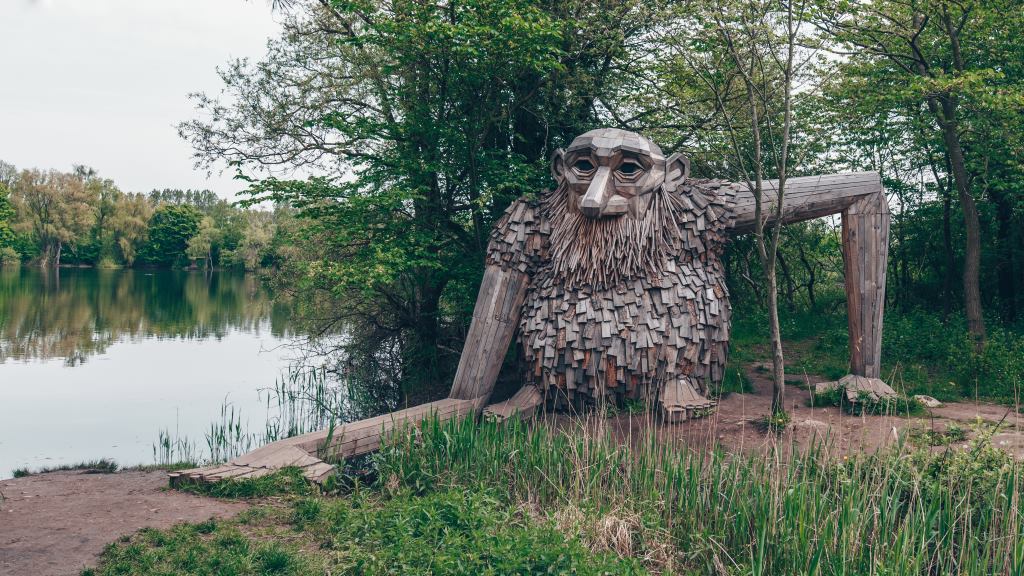
Runde Rie sits beside the Lynghøjsøerne lakes near Roskilde, appearing to fish across the water. According to the official Fjordlandet troll-hunting guide, she is reached by an easy walk of about one kilometrefrom the suggested parking point.
In Hedeland Nature Park, Glade Anders is approached along forest paths marked by birdhouse clues. He stands roughly one kilometre from Måne Mor, Dambo’s 100th troll and the “mother of all trolls”, making it possible to combine both sculptures with a longer woodland walk.
All three can be visited in one day, although the experience is better when there is time to enjoy the landscape rather than simply collect photographs. Runde Rie works well as a gentler family outing, while the smaller trails towards Måne Mor suit visitors who enjoy a more exploratory walk.

Turning the hunt into a longer trip
Dambo’s giants now appear across Denmark. VisitDenmark’s troll-hunting guide highlights figures including Stig near Svanholm Lake, Elle in Viborg, Frie Vilje near Maribo, Wild Emil near Holstebro, Jensnejnear Horsens and Captain Nalle in Copenhagen’s Nordhavn district.
Trying to see every sculpture in one journey would involve considerable travel. A more rewarding approach is to choose one or two regions and allow the trolls to shape the route.
Copenhagen and western Zealand offer the strongest concentration for a long weekend. Central Jutland suits a slower road trip through forests, lakes and smaller towns, while a single troll can provide an imaginative break between familiar attractions.

What to know before setting out
Most approaches are accessible walks rather than demanding hikes, but conditions vary. Wear shoes with good grip, particularly after rain, and carry water, snacks and a waterproof layer. A portable phone charger is useful because navigation and photographs can quickly drain a battery.
Do not assume there will be a café, ticket office or toilets beside each sculpture. The trolls are outdoor artworks in public landscapes, and some paths may be muddy, uneven or less clearly marked than a conventional attraction.
Follow local signs, respect the surroundings and avoid climbing on fragile sections of reclaimed timber. Families should also allow more time than the map suggests. The pleasure lies not only in finding the troll, but in searching the landscape together.

Why Denmark’s trolls are worth the search
Dambo’s sculptures succeed because they change the way people move through a place. They give children a reason to continue along a woodland path and encourage adults to approach an unfamiliar landscape with curiosity.
Their environmental message is equally effective because it is expressed through wonder rather than instruction. Discarded timber becomes a sleeping giant; a suburban nature reserve becomes an adventure; and a simple walk becomes part of a story.
Denmark has celebrated museums, castles and carefully designed cities. Yet some of its most memorable works of art are waiting outside — hidden among the trees, far from the usual sightseeing route.




.svg)