.svg)




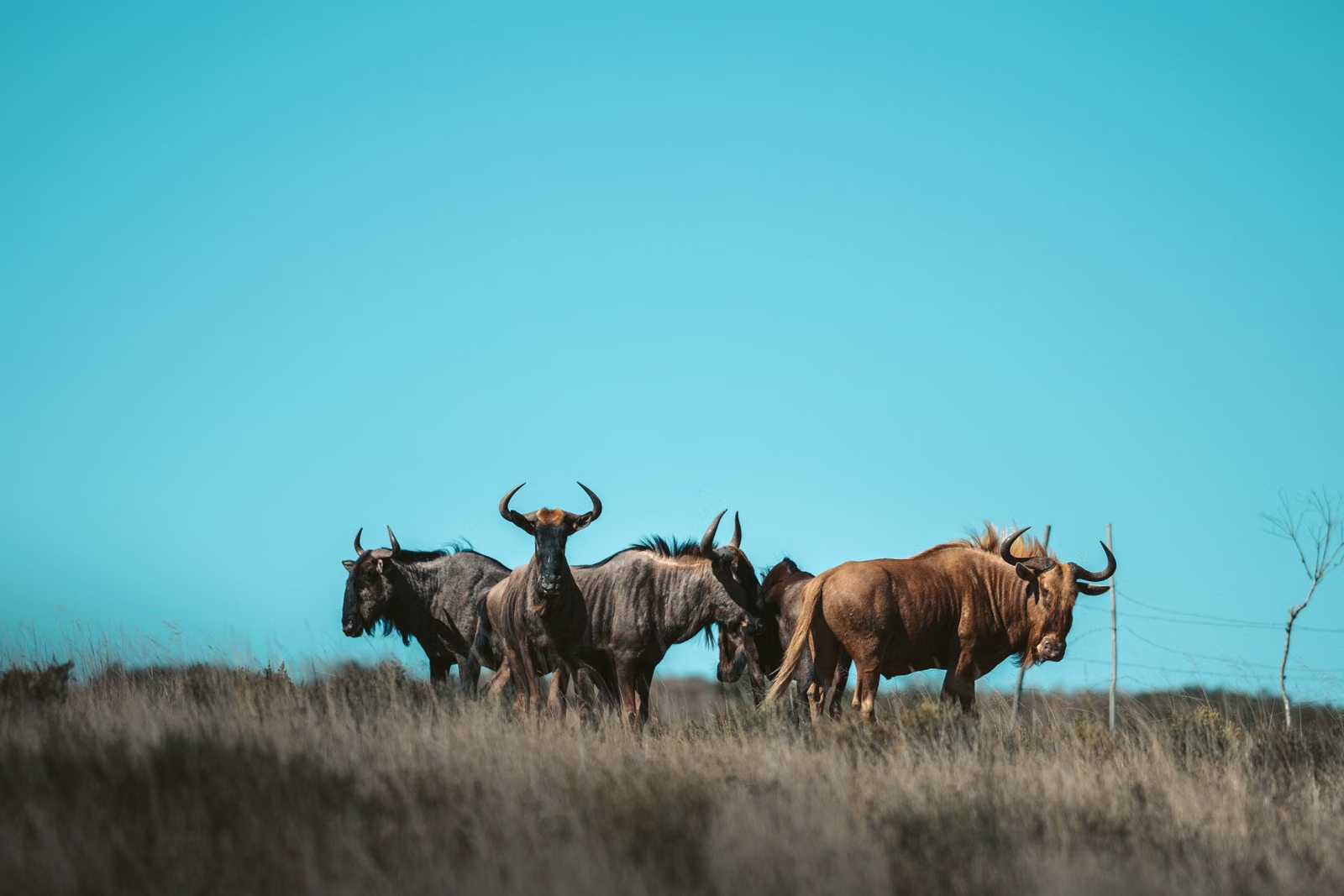



Choosing the right month can shape an entire wildlife holiday. Rainfall, water levels and vegetation all influence where animals move and how easily they can be seen.
There is no single safari season that applies to every African destination. However, September is especially rewarding across many of East and Southern Africa’s best-known reserves. It combines dry-season conditions, excellent visibility and the possibility of seeing the Great Migration in northern Tanzania and Kenya.
Dry-season wildlife is easier to find
September falls within the dry season in popular safari areas of Kenya, Tanzania, Botswana, Zambia, Zimbabwe and South Africa. Although conditions vary between countries and ecosystems, rainfall is generally limited and natural water sources become scarcer.
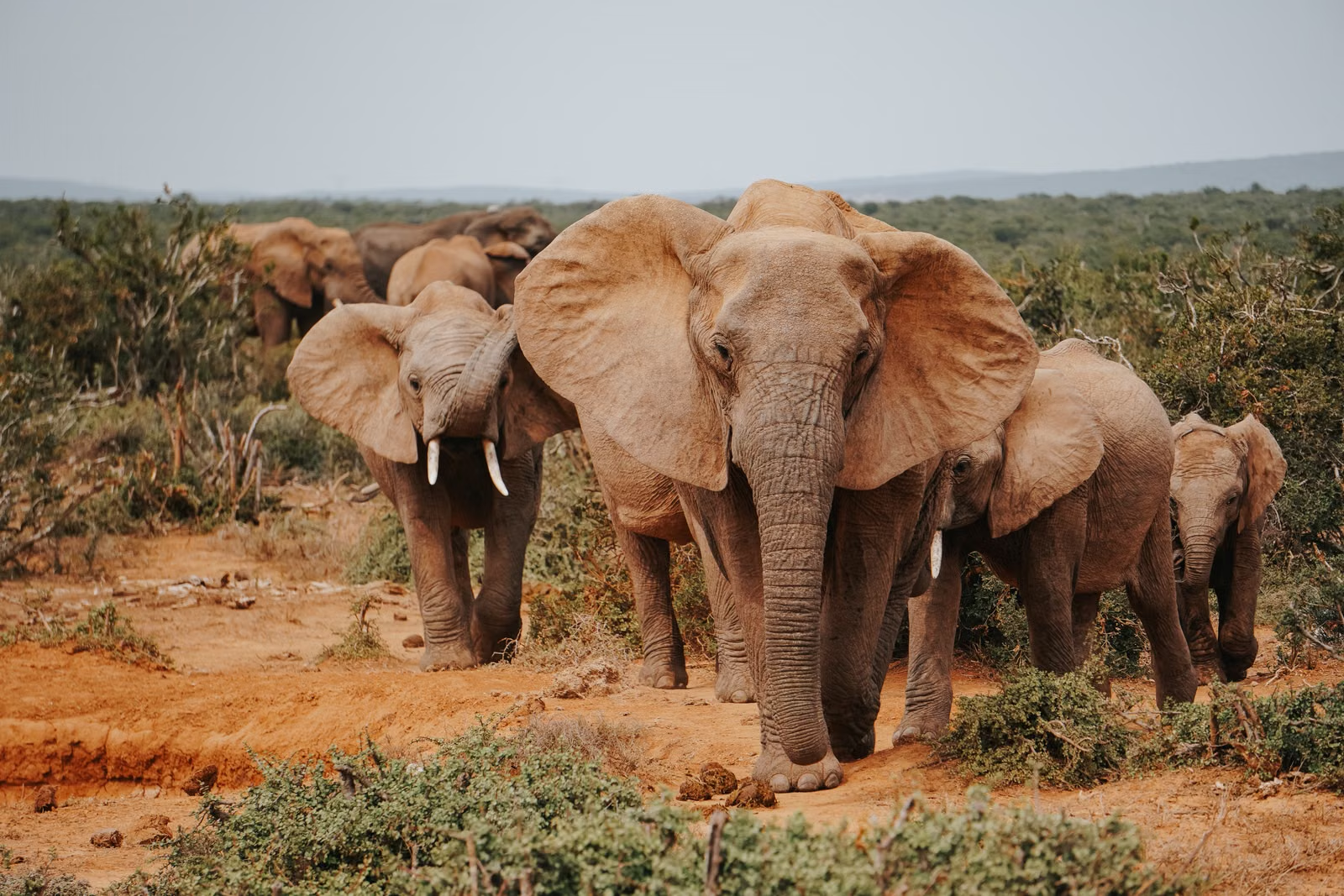
Animals often gather around rivers and waterholes, creating productive locations for game drives. Elephants, giraffes, zebras and antelope may arrive in large numbers, while predators follow their prey.
The landscape becomes more open as grasses dry and foliage thins. Wildlife can be easier to spot than during the green season, when dense vegetation may conceal animals only metres from a vehicle. Warm, golden light also creates striking photographic conditions around sunrise and sunset.
The Great Migration reaches northern East Africa
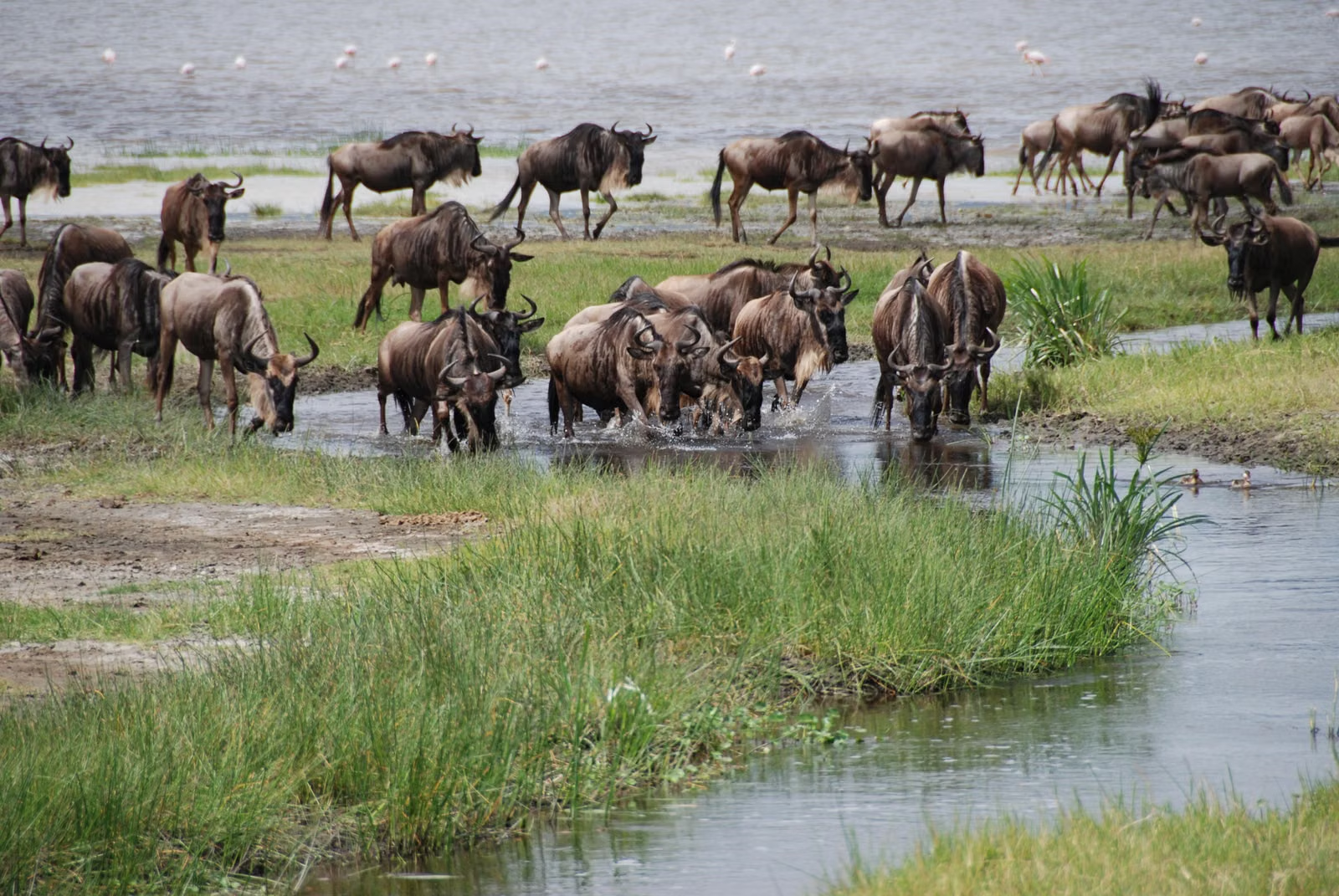
September is one of the most sought-after months for following the Great Migration. The herds are often spread across the northern Serengeti in Tanzania and the Maasai Mara in Kenya, moving in response to rainfall and the availability of fresh grazing.
Mara River crossings are most commonly associated with late July to September, but they are never guaranteed. Wildebeest may wait on the riverbank for hours, turn away or move in an unexpected direction. Rainfall can also alter the timing and route.
Even without a crossing, September can bring vast herds, busy predator territories and exceptional game viewing. Travellers deciding between Kenya, Tanzania and Southern Africa can begin with this first-time African safari planning guide, while this Great Migration overview from Trailfinders explains how the herds’ broad annual circuit changes through the seasons.
Botswana offers safari by land and water
In Botswana, September provides a distinctive meeting of dry land and seasonal floodwater. The Okavango Delta’s annual flood pulse arrives during Botswana’s dry season, usually reaching its highest levels earlier in the winter before gradually changing across the vast wetland.
Conditions vary by year and location, but many areas can still support mokoro trips and boat safaris in September, while animals gather around permanent channels and remaining water. This gives visitors the chance to combine conventional game drives with a quieter, water-level view of elephants, hippos, antelope and birdlife.
The Okavango Delta’s UNESCO World Heritage listing explains how its annual flooding sustains an unusually rich wetland ecosystem in the otherwise arid Kalahari landscape. Because water levels differ between concessions, travellers should ask a specialist which activities are likely to operate at their chosen camp.
Southern Africa enters a rewarding transition
September marks the end of the dry winter and the beginning of spring across much of Southern Africa. In Kruger National Park and neighbouring private reserves such as Sabi Sand, sparse vegetation and pressure around water sources can produce excellent sightings of elephants, buffalo and big cats.
Further north, Hwange in Zimbabwe is known for large concentrations of elephants near waterholes late in the dry season. South Luangwa in Zambia also offers strong game viewing and renowned walking safaris, although daytime heat tends to build as the month progresses.
September is therefore not uniformly cool. Early game drives can feel cold in open vehicles, but afternoons may be hot, particularly in Botswana, Zambia and Zimbabwe. Layers are essential: pack a light insulated jacket or fleece for dawn, breathable clothing for the day, sun protection and a scarf or buff to keep out dust.
Book early and plan responsibly
September is peak season in many safari areas, particularly around the Maasai Mara, northern Serengeti and high-demand private reserves. Popular camps and well-positioned rooms can fill many months in advance, so it is sensible to book as soon as dates are fixed. Travelling at this time can also mean premium rates and more vehicles at celebrated sightings.
A knowledgeable safari specialist can help match the itinerary to what matters most, whether that is migration viewing, photography, walking safaris or quieter private concessions. Families should also check minimum ages for game drives, walks and water activities; this guide to choosing a family safari covers the main considerations.
Before booking, check the latest UK foreign travel advice for every country on the itinerary and consult TravelHealthPro’s country guidance early enough to arrange any recommended vaccinations or malaria precautions.
Is September always the best choice?
September is hard to beat for reliable dry-season game viewing, but it will not suit every traveller. Those who prefer green landscapes, migratory birds, newborn animals or lower prices may enjoy a different month. Anyone hoping for a quiet safari may also prefer a private conservancy or a shoulder-season departure.
For travellers whose priority is clear visibility, concentrated wildlife and access to several of Africa’s great safari regions, however, September offers an unusually compelling combination. Go with realistic expectations, allow nature to set the schedule and the experience can be extraordinary—with or without a river crossing.




.svg)