.svg)




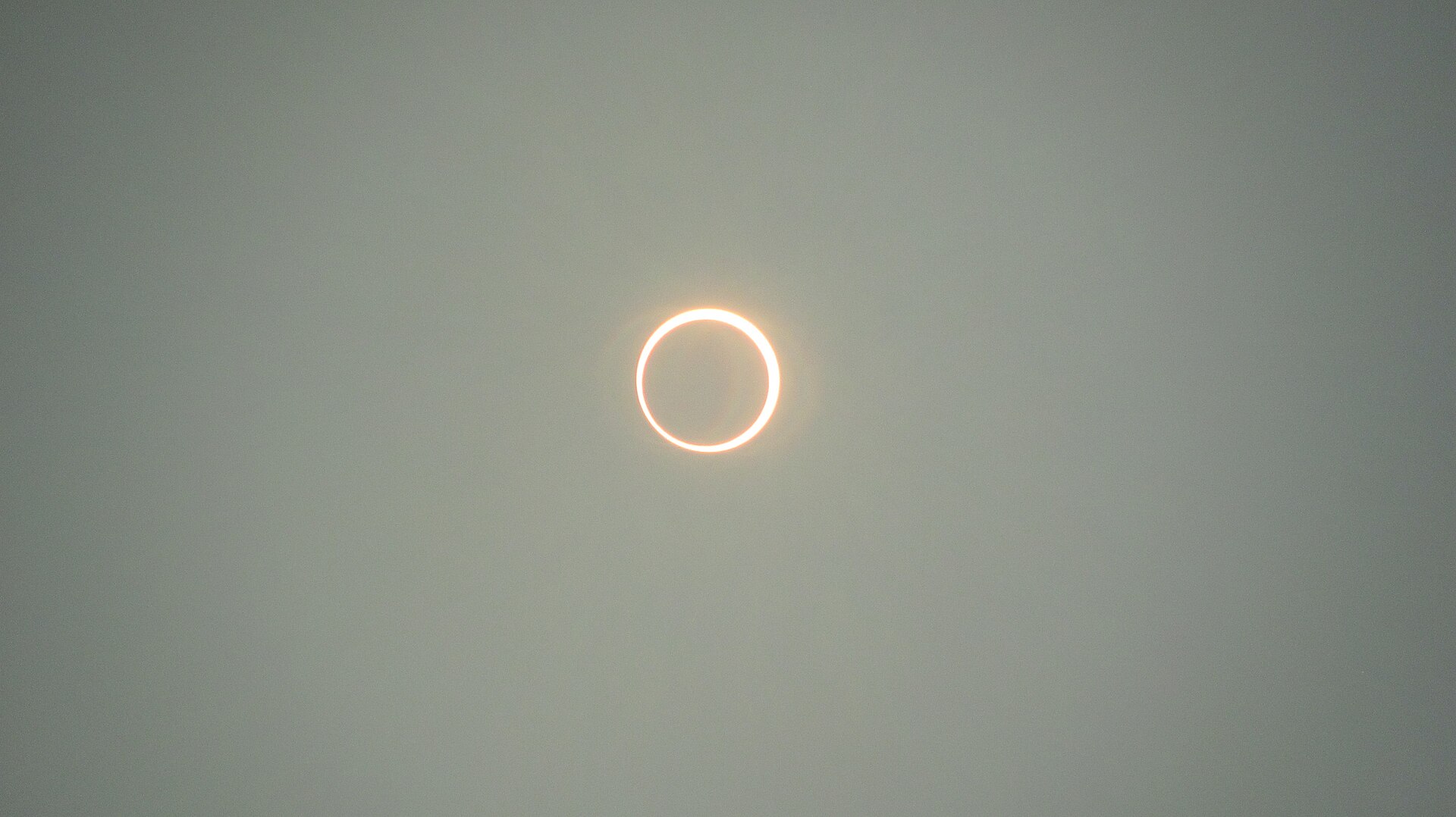



On 12 August 2026, parts of Iceland and Spain will briefly fall into darkness during a total solar eclipse. There is still time to arrange a journey, but choosing the right location and keeping the plan flexible will be essential.
During a total solar eclipse, the temperature falls, shadows sharpen and the landscape takes on an unfamiliar colour. Then the final point of sunlight disappears, revealing the solar corona around the black disc of the Moon.
On Wednesday 12 August 2026, the path of totality will cross Greenland, western Iceland, northern Spain and part of north-eastern Portugal. Much of Europe, including the UK, will see a partial eclipse, but only observers inside the path will experience totality.
For UK travellers booking late, the practical choice is between northern Spain and western Iceland. Spain offers accessible cities and generally more favourable summer weather. Iceland provides dramatic scenery, but cloud and limited road capacity make it riskier.
Why the Path of Totality Matters
A 99 percent partial eclipse is not the same as totality. Even a narrow fragment of the Sun remains bright enough to preserve daylight and hide the corona.
Check both accommodation and intended viewpoints against an official map. The European Space Agency’s map of totality shows the route through Spain, while NASA’s August 2026 eclipse guide covers the wider path.
León and Burgos: Spain’s Best Overall Options
León and Burgos offer the strongest balance of accessibility, eclipse duration and viewing conditions.
Spain’s National Geographic Institute confirms that much of northern Spain will experience totality, including A Coruña, Oviedo, León, Bilbao, Burgos, Zaragoza, Valencia and Palma.
The main challenge is timing. The eclipse will take place shortly before sunset, so buildings, trees, hills and mountains could block the western horizon.
Burgos offers around one minute and 44 seconds of totality, with the Sun approximately eight degrees above the horizon. León is similarly well positioned and will host a free public event organised by the European Space Agency, the city and the University of León.
Both cities have established transport links and surrounding countryside offering alternatives to urban viewpoints. Travellers continuing west could explore locations featured in our Camino de Santiago guide.
.jpg)
A Coruña, Zaragoza and Mallorca
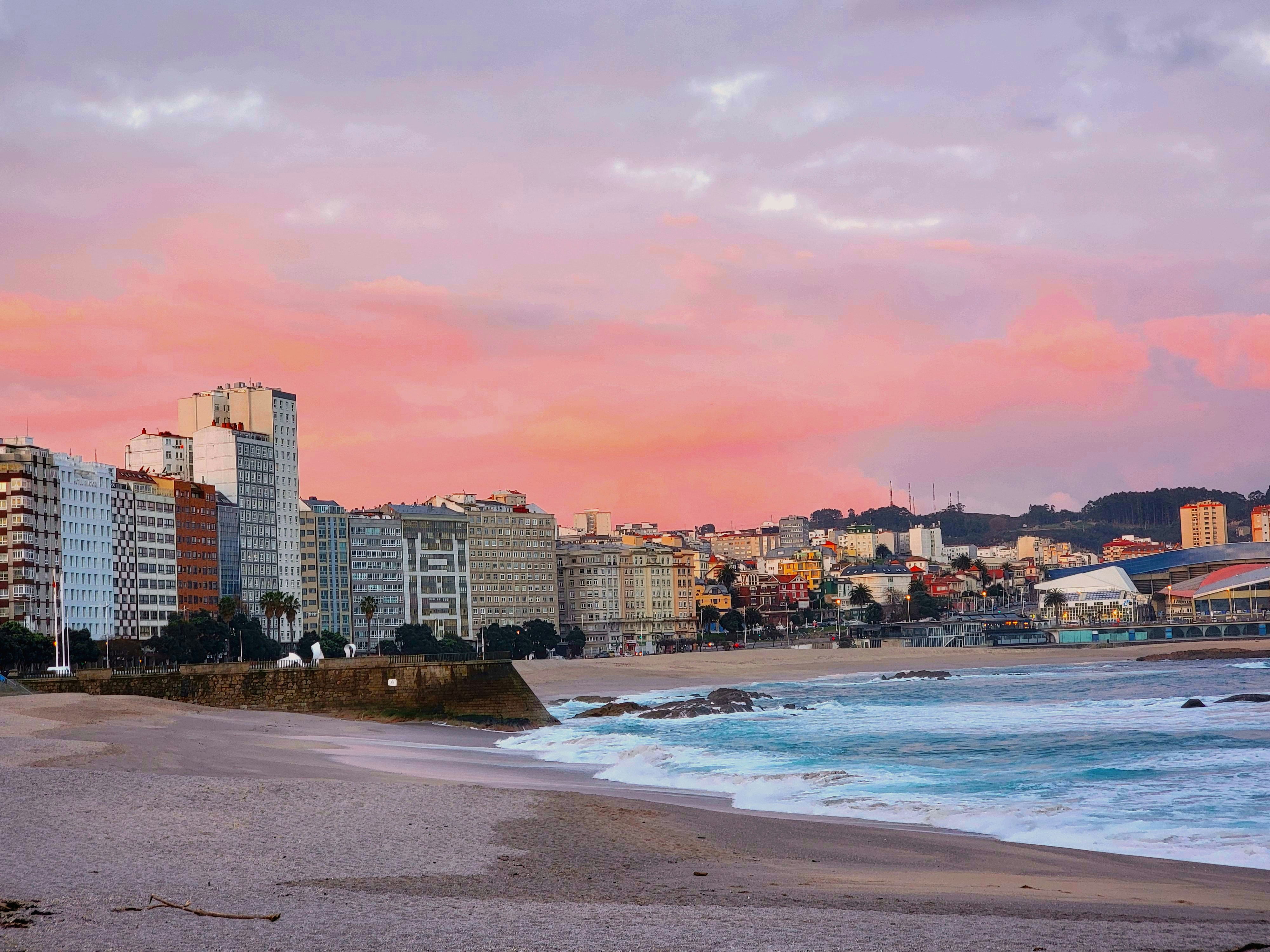
A Coruña will experience totality at approximately 8.28pm, with the Sun around 12 degrees above the horizon. That gives observers more margin than locations further east, where the Sun will be closer to setting.
The Atlantic coast may provide striking views, but the viewpoint must face west. Galicia’s weather can be changeable, so A Coruña works best as a flexible base.
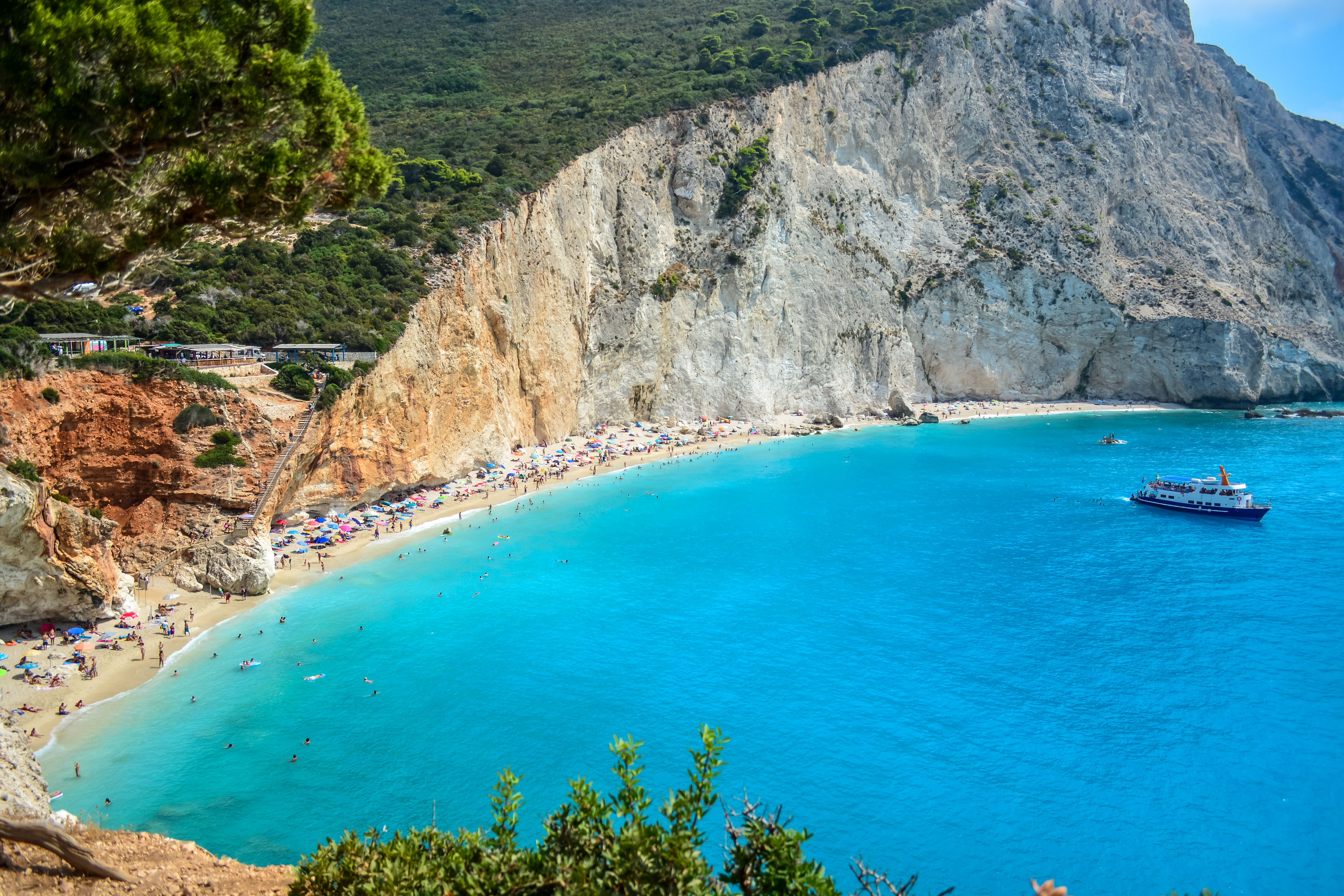
Zaragoza combines a position inside the eclipse path with the infrastructure of a major city. Valencia and Mallorca offer totality close to sunset, but they are less forgiving. In Palma, the Sun will be only around two degrees above the horizon at maximum eclipse, meaning low cloud, hills or buildings could block the view.
Reykjavík and Western Iceland
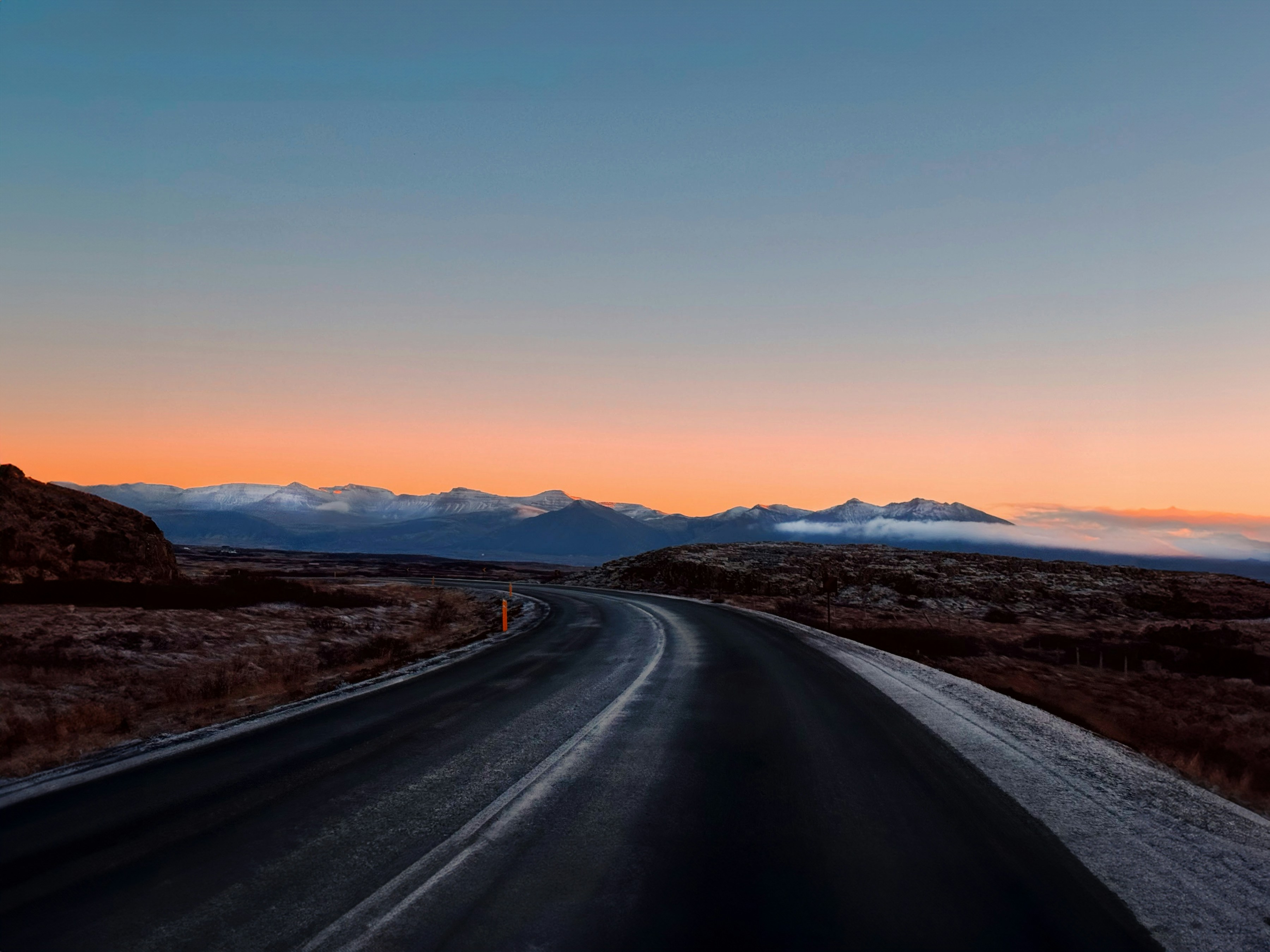
Iceland avoids Spain’s extreme sunset sightlines. In Reykjavík, totality begins at approximately 5.48pm, with the Sun around 24.5 degrees above the western horizon.
The official Eclipse 2026 Iceland map provides local timings and potential mountain obstructions.
Reykjavík is Iceland’s most practical base, with the widest choice of accommodation and transport. Travelling west provides longer totality but more difficult logistics.
The Snæfellsnes Peninsula offers just over two minutes of totality in places such as Hellissandur and Ólafsvík. The Westfjords provide the longest duration on mainland Iceland, including around two minutes and 13 seconds at Látrabjarg.
Roads are limited and congestion is likely. The official Westfjords eclipse guide advises visitors to prepare carefully and avoid viewpoints where mountains block the western sky.
How to Plan a Last Minute Trip
Book a flexible base inside or close to the path of totality. Search across a region rather than focusing on one famous city, and choose refundable accommodation where possible.
The most useful forecast will emerge only a few days beforehand. Identify several nearby viewpoints, but avoid a long cross-country chase on 12 August. Roads are likely to be busy.
Arrive by 11th August and inspect the viewpoint. Confirm a clear western horizon, safe access and an alternative nearby.
A stay of at least three nights will make the journey worthwhile if cloud intervenes. This follows the approach explored in The Art of Slow Travel: allowing the destination itself to remain part of the experience.
How to Watch Safely
Specialist eye protection is essential throughout every partial phase. Ordinary sunglasses are not safe. Eclipse glasses or handheld solar viewers should meet the ISO 12312-2 safety standard and be checked for damage before use.
Only observers inside the path of totality may remove their glasses, and only while the Sun is completely covered. They must be replaced as soon as direct sunlight returns.
Cameras, telescopes and binoculars require filters fitted over the front of the equipment. NASA’s eclipse-viewing safety guidance explains the correct methods for viewing and photography.
Spain or Iceland?
For most UK travellers, northern Spain is the more practical choice. León and Burgos offer the best overall balance, while A Coruña provides a higher Sun and an attractive Atlantic setting.
Iceland is the more dramatic option. Reykjavík keeps the logistics manageable, while Snæfellsnes and the Westfjords offer longer totality at the cost of greater weather and transport risk.
No viewpoint can guarantee clear skies. The best plan combines an accurate position inside totality, an unobstructed horizon, suitable eye protection and enough flexibility to respond to the final forecast.

.jpg)
.jpg)


.svg)